Well east of the Caribbean windward islands, Barbados stands alone, entirely surrounded by the Atlantic Ocean. For most cruising sailors, it is an outlier island away from the regular Caribbean cruising grounds. Due to the way trade winds work in the region, it is best approached from the east or north east for a smoother sail. For some sailors crossing the Atlantic East to West, it is the first port of landing following those trade winds. To reach it from the south would generally mean a rough upwind sail or long tacks for a longer but smoother sail.


We moved to Scotland Bay at the mouth of the Boca de Monos channel from Chaguaramas so as to make a 2am exit from Trinidad
For various reasons, we had skipped visiting Barbados before the hurricane season. A well meant but misguided desire to visit this island from Trinidad meant we would be taking the dreaded upwind approach. We left Trinidad at 2am from our Anchorage in Scotland Bay, and with moonlight guiding us through the mouth of the harbor, reached the open ocean and what would be the start of a nightmarish sail for the next two days. We sailed along the northern Trinidad coastline to catch a better angle of sail to Barbados. After a few hours of bashing into the waves, we changed course and headed up north towards Port Charles, Barbados. This did not improve the sailing conditions much. The waves were high and coming hard and fast on our beam. With the wind at our bow, we were being tumbled around like wet clothes in a washing machine. I am prone to seasickness, and it wasn’t long before my face was in the toilet bringing up my dinner. This followed at regular intervals over the next couple of days, until I was dangerously close to being dehydrated.
There were not many sail boats, or rather any sail boats, headed to or coming from Barbados which made the night watches a little easier on Sunil, who took the lion share of the watch duties. We reached Barbados after 46 hours of sailing under consistently bad conditions. I have never felt happier to see land.
Our stay in Barbados was going to be a short one since we had spent more time in Trinidad waiting for our A/C system to be completed. We prefer longer stays that help us get a better feel for the island culture, and what makes each island unique from the next.
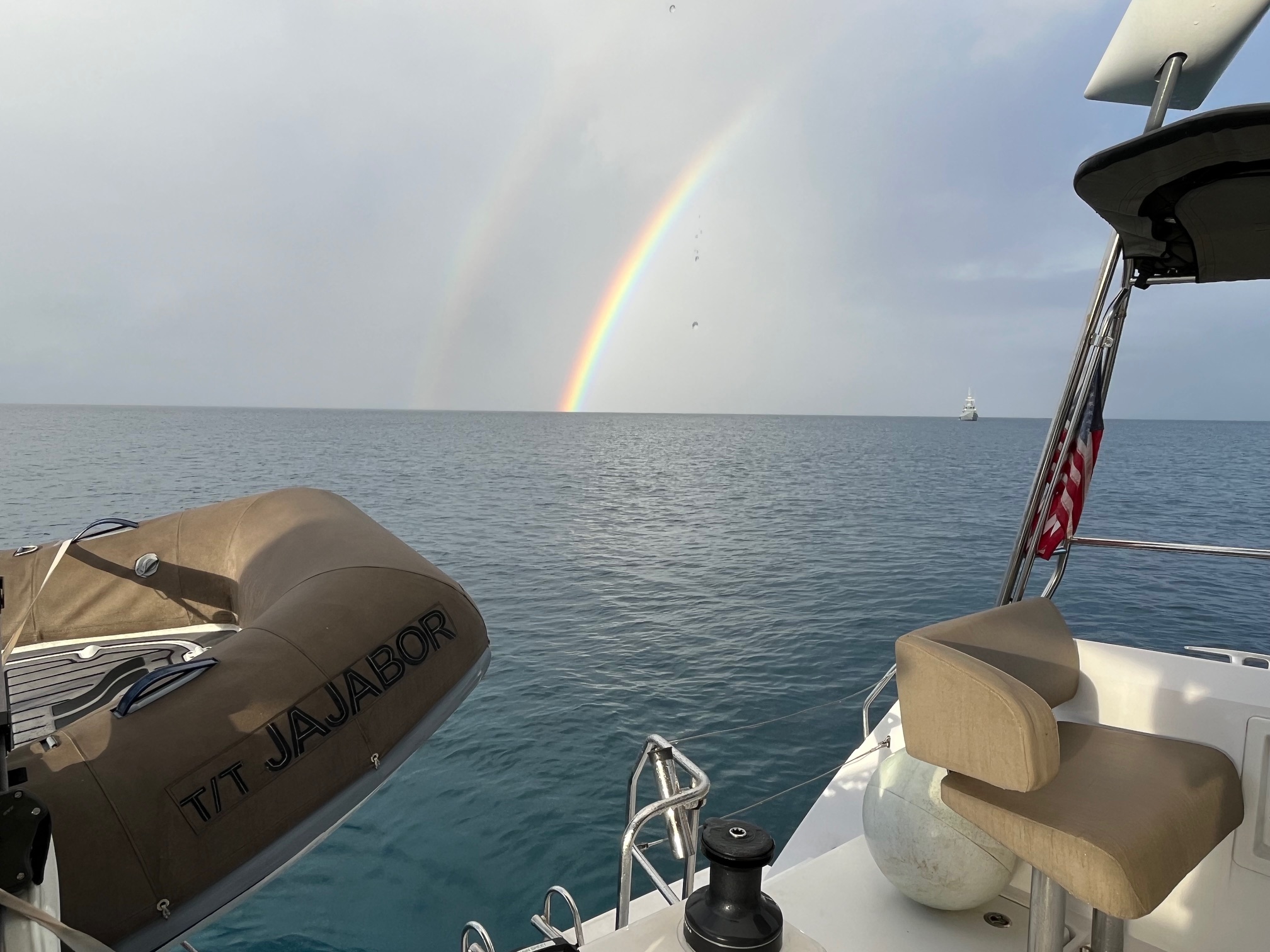
We reached Port Saint Charles around midnight and anchored in the harbor, close to the Marina, and went to bed to sleep off the exhaustion of the past two days. Waking up to a blue sky with a bright rainbow the next day, we were ready to make the most of our trip. First things first though, we had to clear into customs and immigration. Arriving at their door step a little past their opening hour, we were not surprised to see the doors closed and no officials in sight. About a half hour wait, the doors opened and a friendly official let us in explaining that the customs and immigration officers would be in shortly. About another half hour later, two women officials arrived and checked us in efficiently and welcomed us to Barbados. We were now free to move around the island.
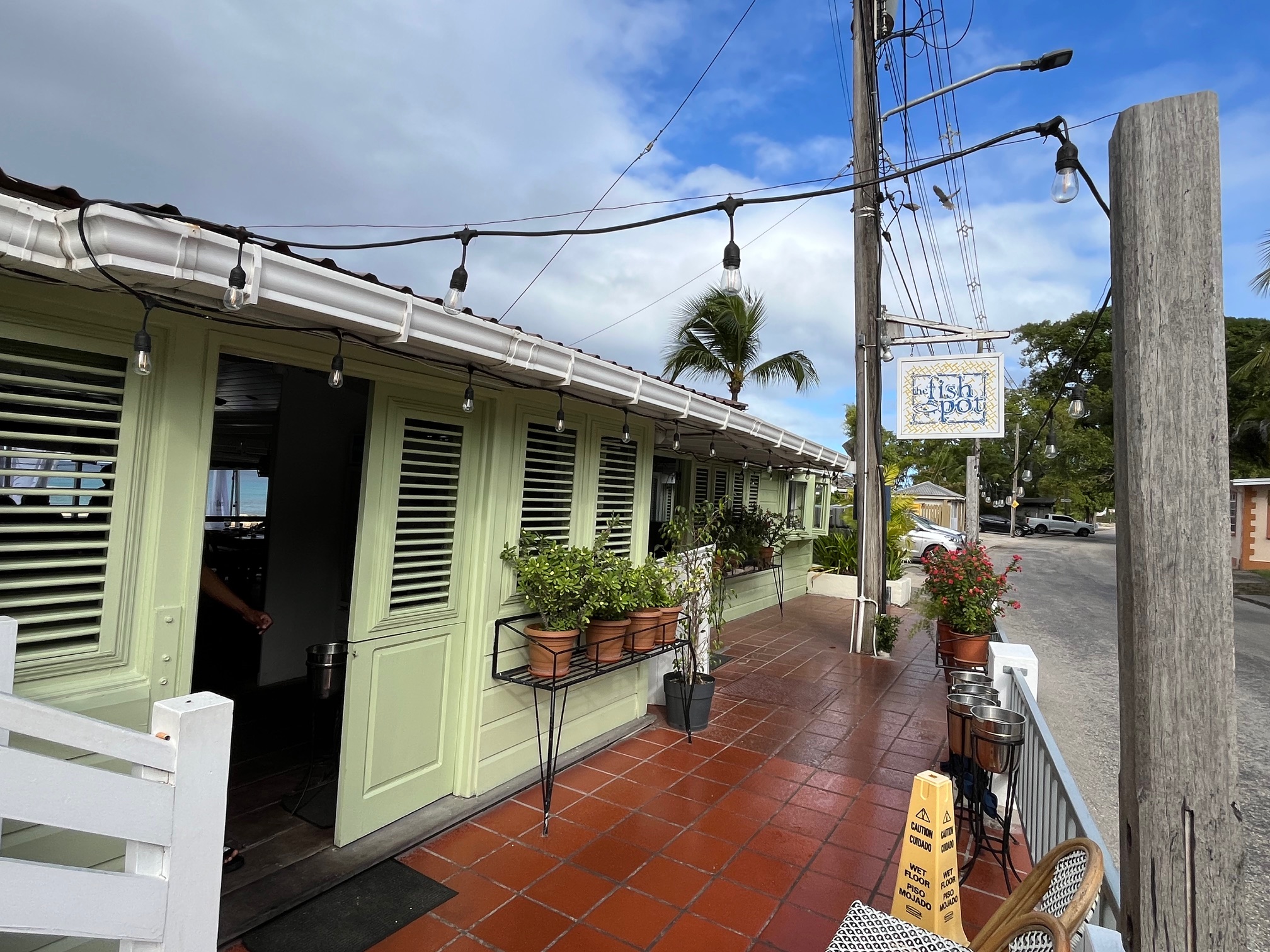
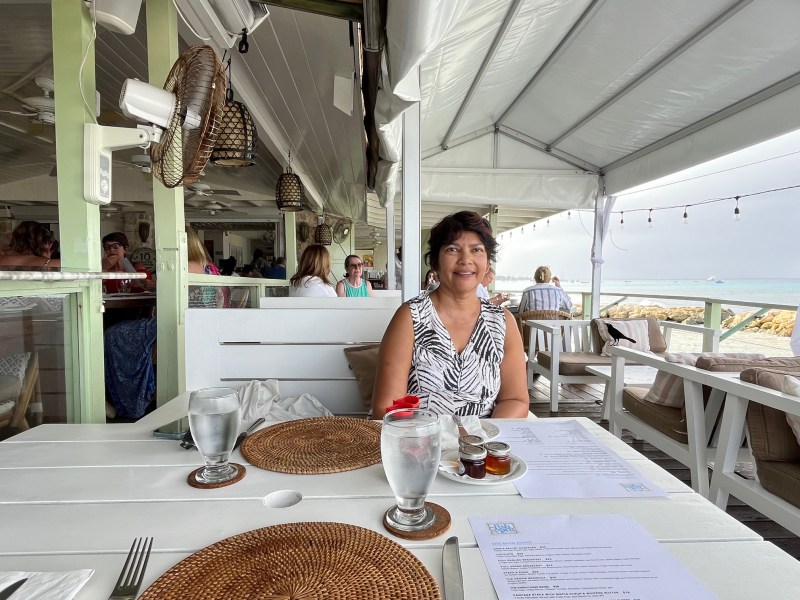
We headed into town looking for breakfast and came across a cafe called The Fish Pot. The sea facing patio has a lovely Caribbean vibe, and you can spend an entire morning watching the waves roll in and out of the beach. After breakfast we decided to catch a bus into the neighboring town to pick up a few provisions. A fifteen minute wait later, a van stopped in front of the cafe, and the van driver beckoned us in. We looked inside the crowded van, but there was no seat visible. He said something in bajan (more on this later), and the passengers shuffled around in their seats and soon a spot appeared in front of the door. Sunil took the third spot next to the driver, while I sat cozily next to a man who appeared unconcerned about our bodies in such close contact. A few minutes later, the van stopped again, and two more people were invited in. The shuffling process was repeated, and once again space appeared like magic. Thankfully we only had a short ride into town and after our errands were completed, we took an almost empty bus back to the marina.

On the Barbados tourist forum on Facebook, someone had highly recommended a tour guide named Sanjay Kini. The name intrigued us, because apart from being an (Asian) Indian name, Kini is also a family name from the small Konkani community that Sunil belongs to. We messaged him and he responded promptly offering his services for an island tour. Sanjay Kini turned out to be a friendly and knowledgeable guide. He spent part of his childhood in India and then moved to Barbados with his parents, as a young kid. His wife is also from the same community and grew up in Mangalore where Sunil’s mum lives. Small world indeed.
Our impressions of Barbados are based on this very short trip and by no means indicative of what Barbados must really be like.
The island is part of the British Commonwealth, and Barbadians or Bajans as they call themselves, speak English or to us an indecipherable dialect also called Bajan. Bajans have one of the highest literacy rates in the Caribbean, and is one of the most developed and wealthy Caribbean nation. Singing sensation Rihanna is born and raised in Barbados. For Cricket lovers out there, Sir Gary Sobers and Malcom Marshall of the West Indies Cricket Team, were also Bajan.
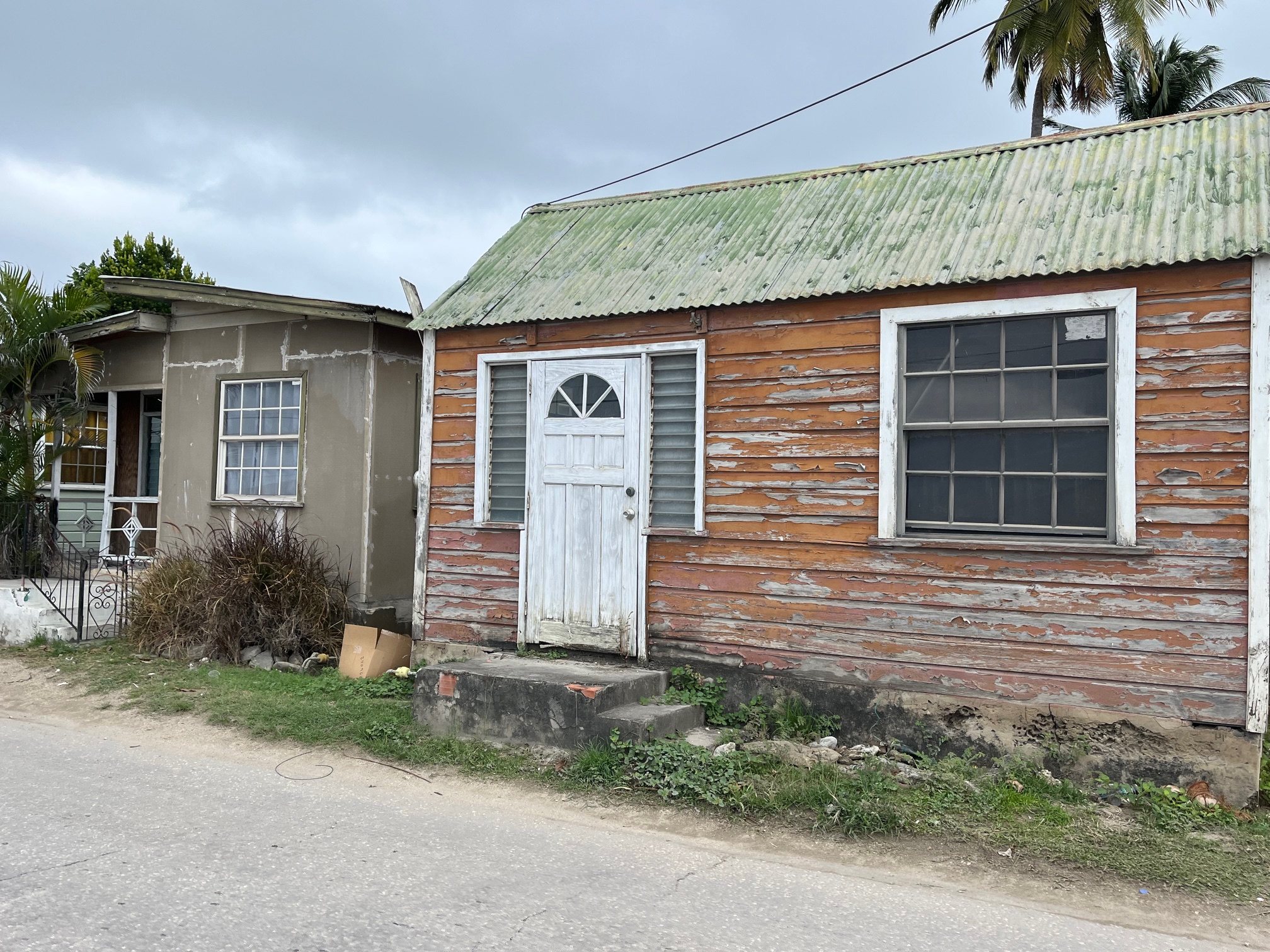
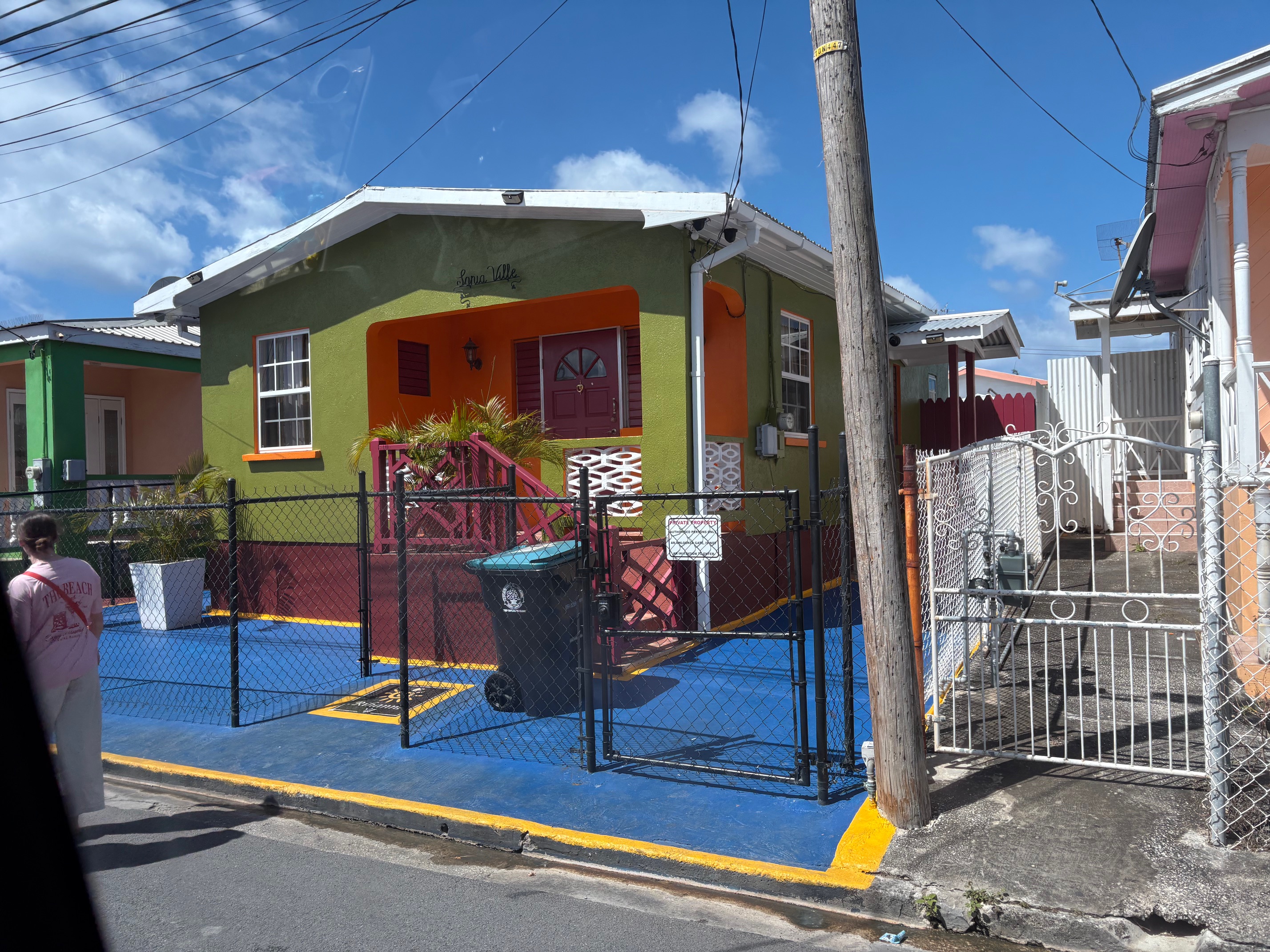
(L) A typical chattel (R) The chattel Rihana grew up in
A short distance from Port St Charles, we drove through a wealthy neighborhood with large estates. Names like Rihanna, Simon Cowell, Mark Wahlberg flowed from Sanjay’s lips as he pointed out homes in the neighborhood. Past the posh neighborhood, the less affluent live in “Chattels” small brightly painted Bajan wooden cottages. Almost every street had a small Rum Bar. By some estimates there are over 1500 on this small island.

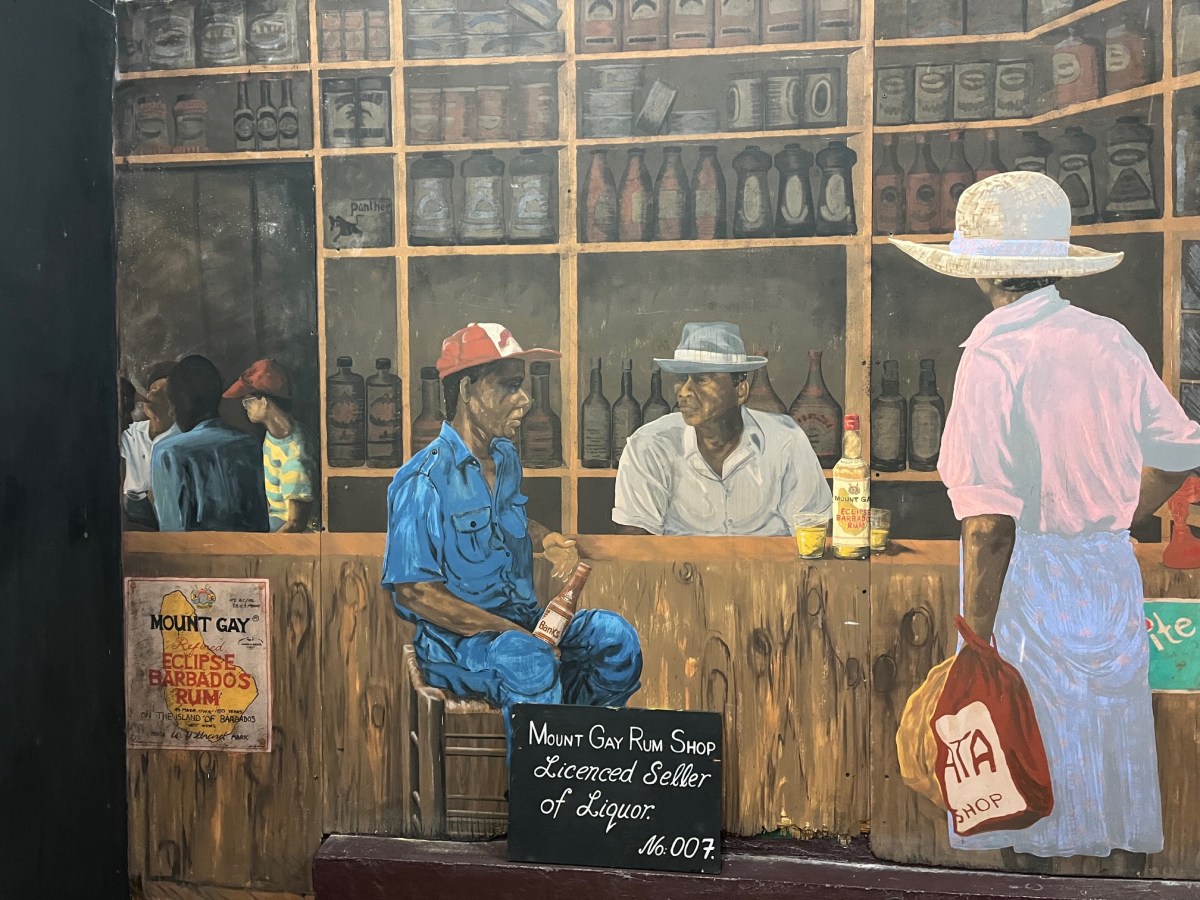
A typical rum shop. More of these than grocery stores on the island
We stopped for a tour of Mount Gay Rum Distillery, one of Barbados’ famous Rum producers. Their tour guide was passionate about their rum and she described various recipes using rum, finishing each description with her eyes closed humming “Hmm-Hmm-good!” We were convinced enough to leave with two bottles of one of their premium brands.
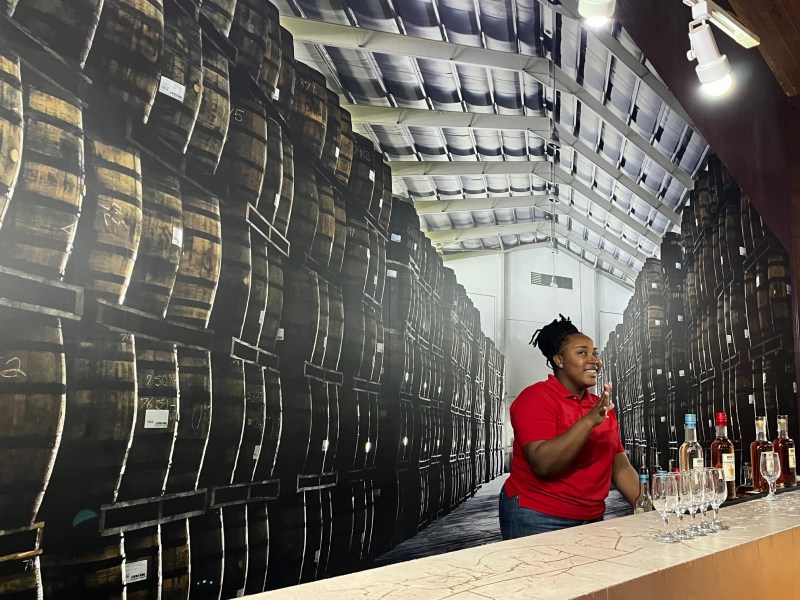
The tour guide speaks eloquently about rum


Bridgetown is the Capital of Barbados and a port City. We noticed that most of the tourists were from the UK. This was different from other Caribbean islands we visited where we encountered mostly North American, French and other European tourists. Bridgetown and its Garrison is a UNESCO World Heritage site, with buildings dating back to the 17th, 18th, and 19th Century.


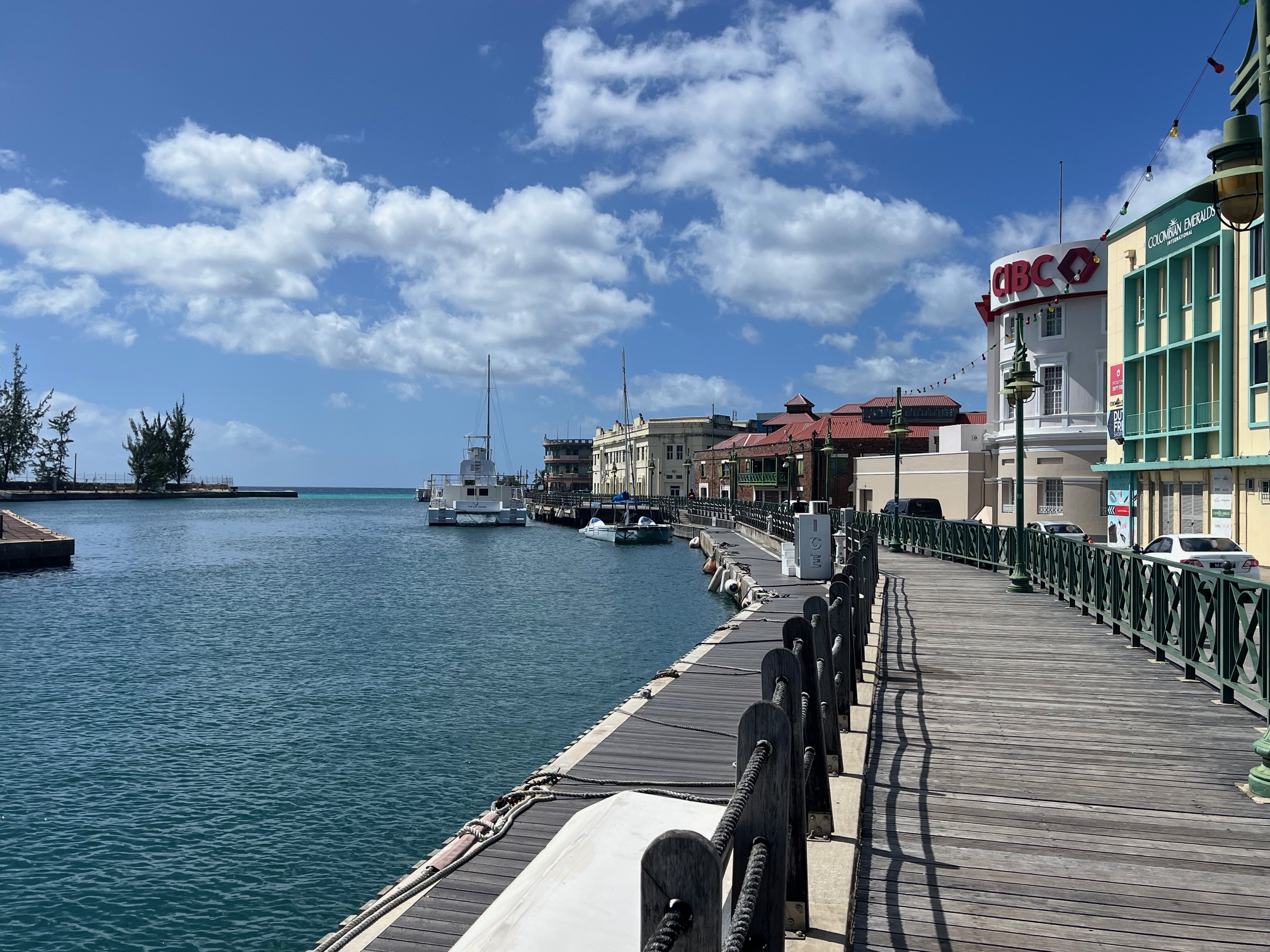
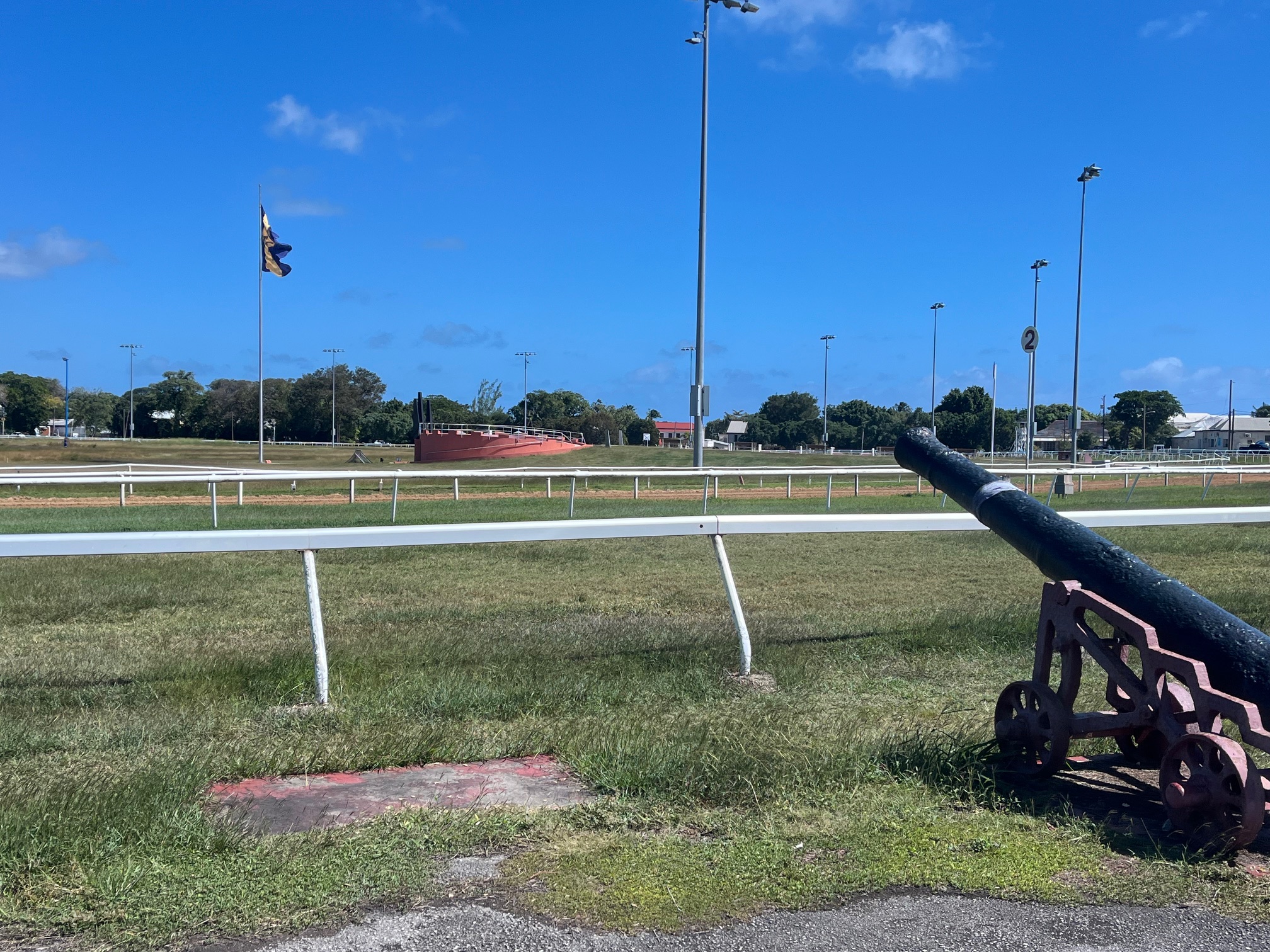
Race track of the Barbados Turf Club is located on the Garrison premises. Families bring a picnic lunch on weekends and watch the races from the grounds.

A cricket match in progress
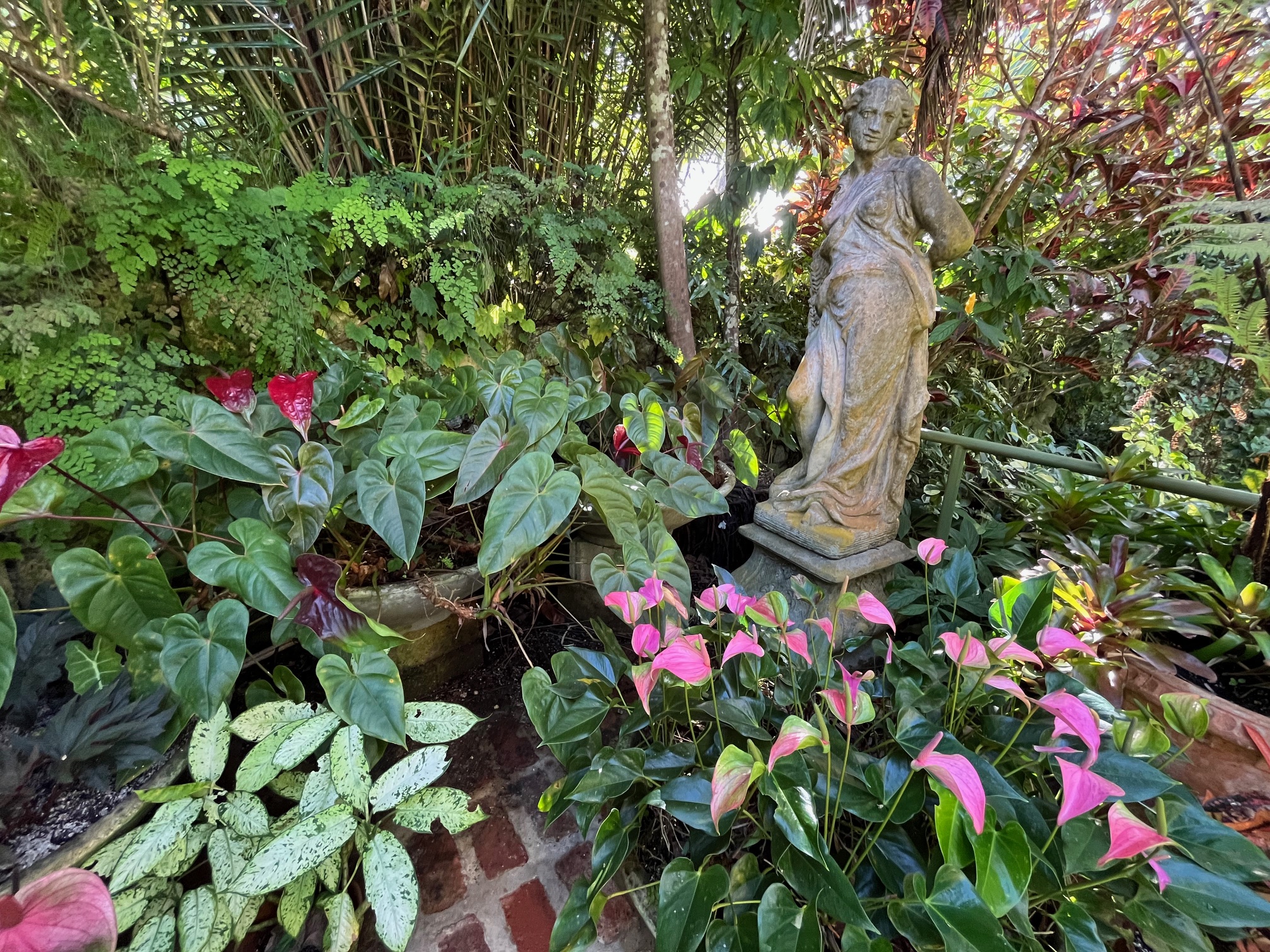
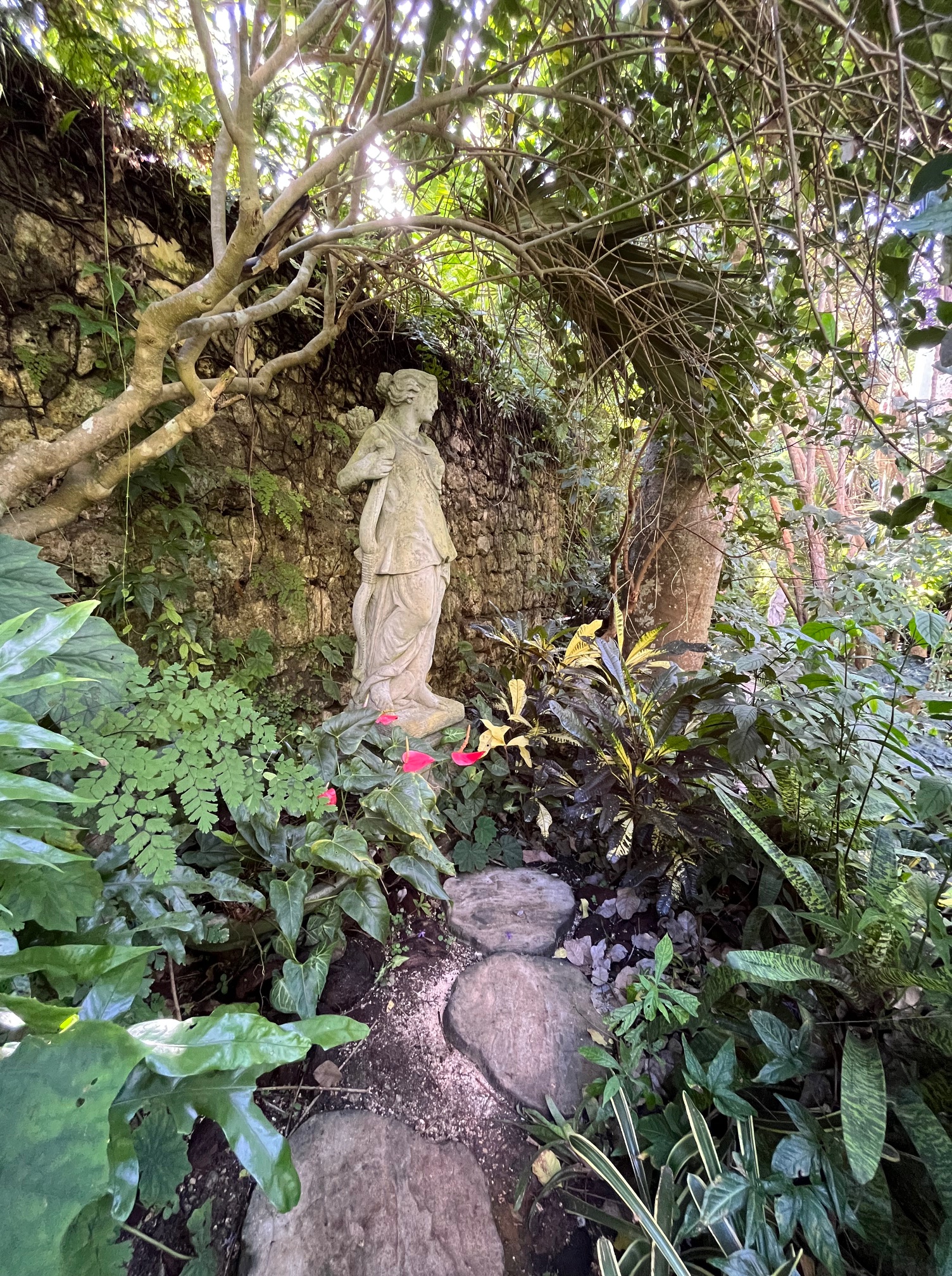
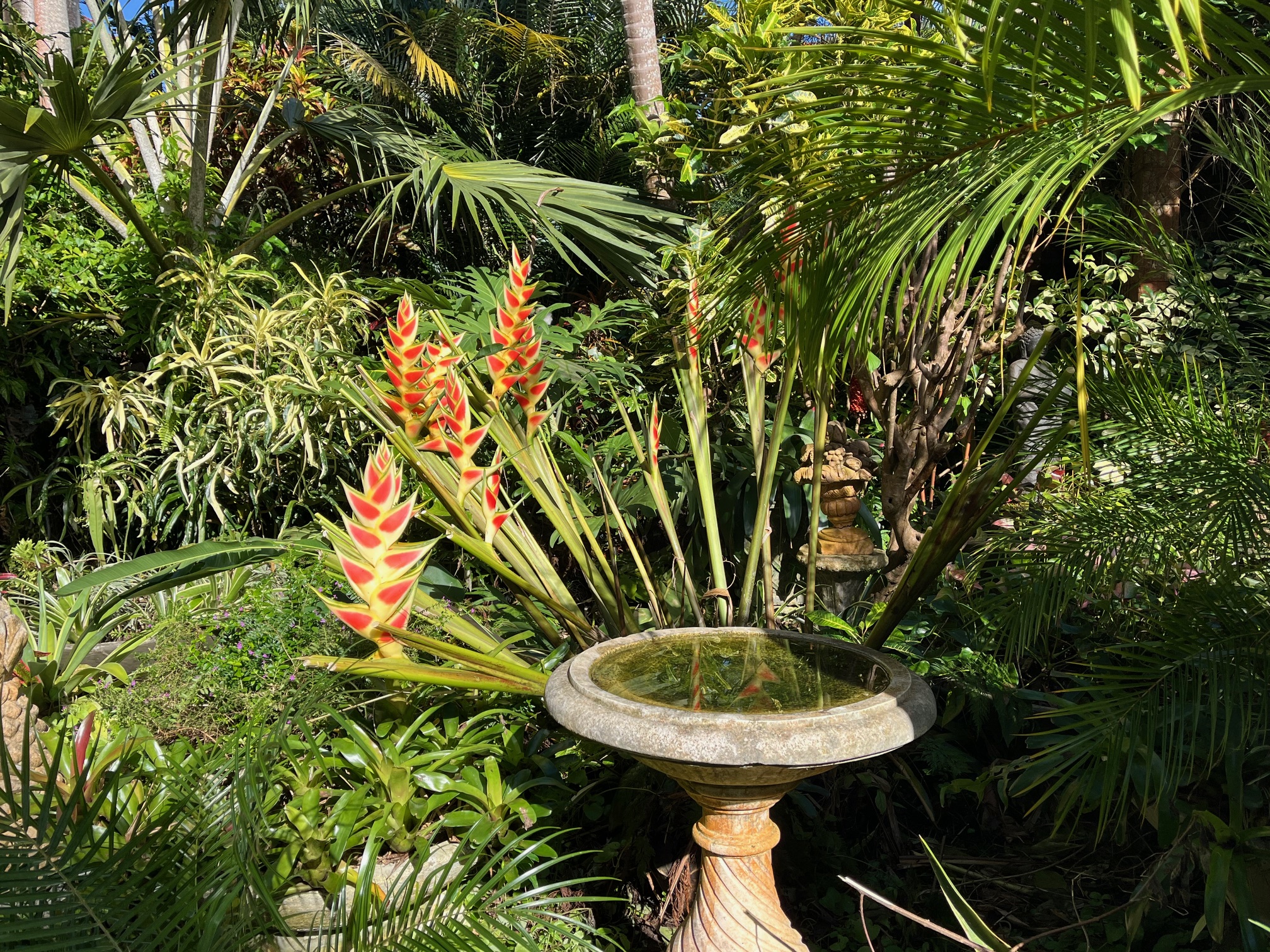
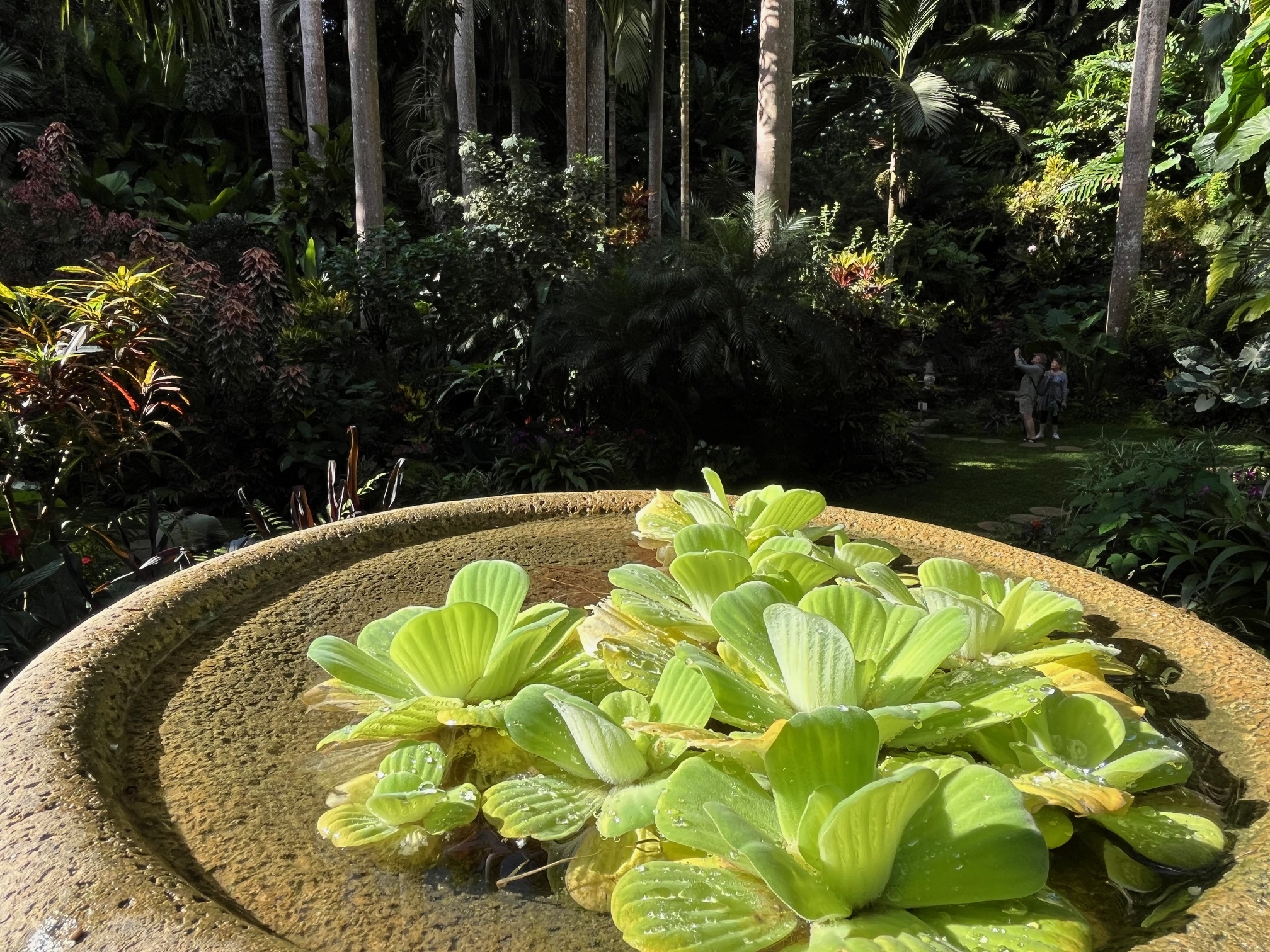
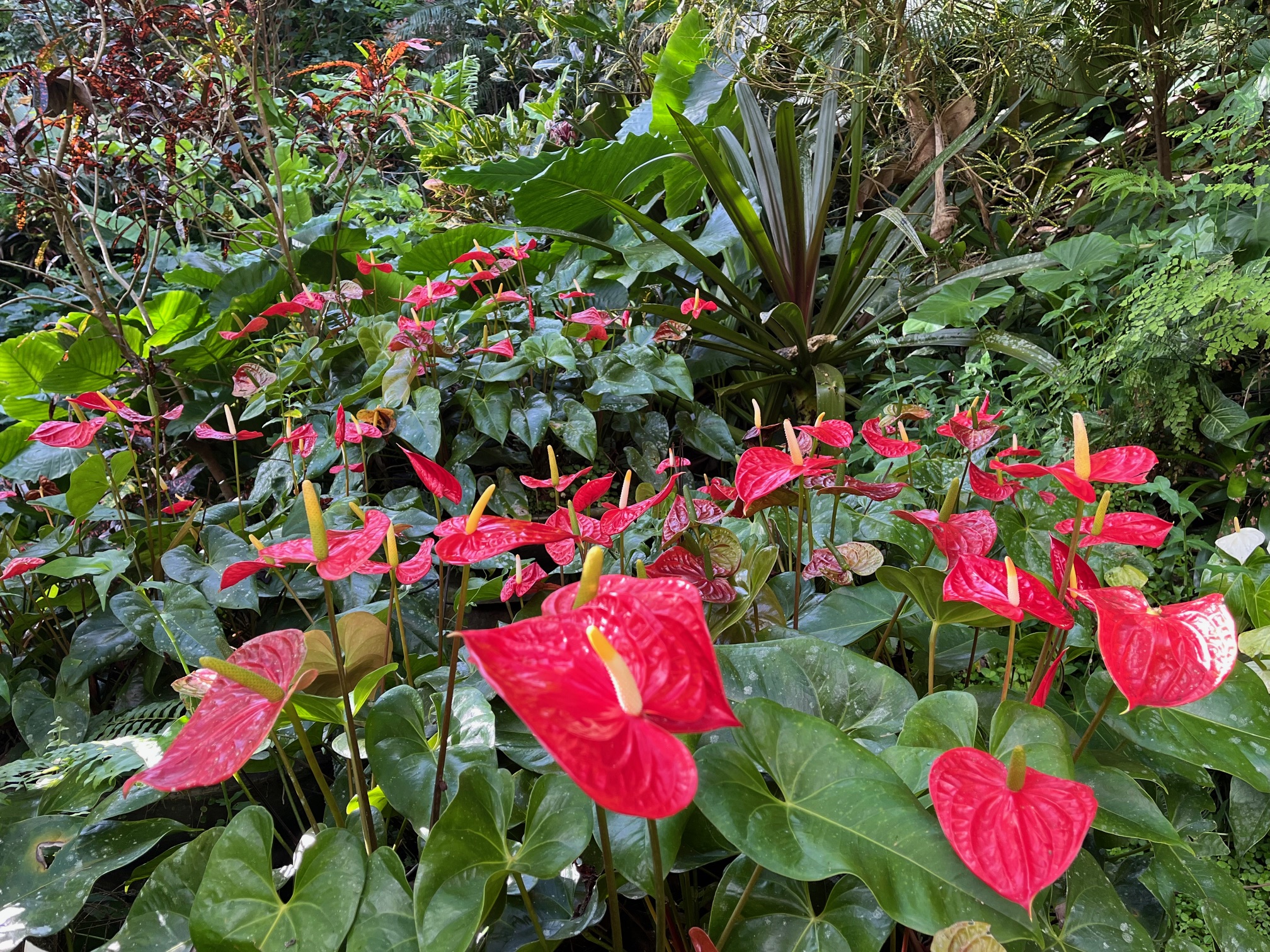
Hunte Gardens
Hunte Gardens is described as “the most enchanting place on earth”. It is a private garden created over many years by Anthony Hunte, a Bajan horticulturist, who still lives and works on the property. He transformed a sink-hole type gully into an exquisite Caribbean forest with many mini gardens comprised of a wide variety of rare and exotic plants. The vibrant colors and textures in his detailed and ornate arrangement is amazing. One can easily spend an entire afternoon enjoying the tranquility of the garden by relaxing in one its many benches with a book and a glass of rum punch.
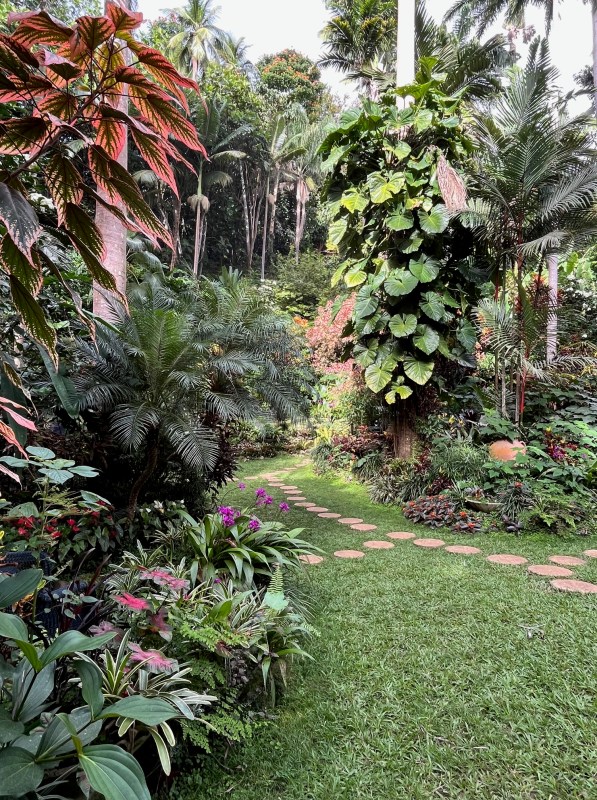
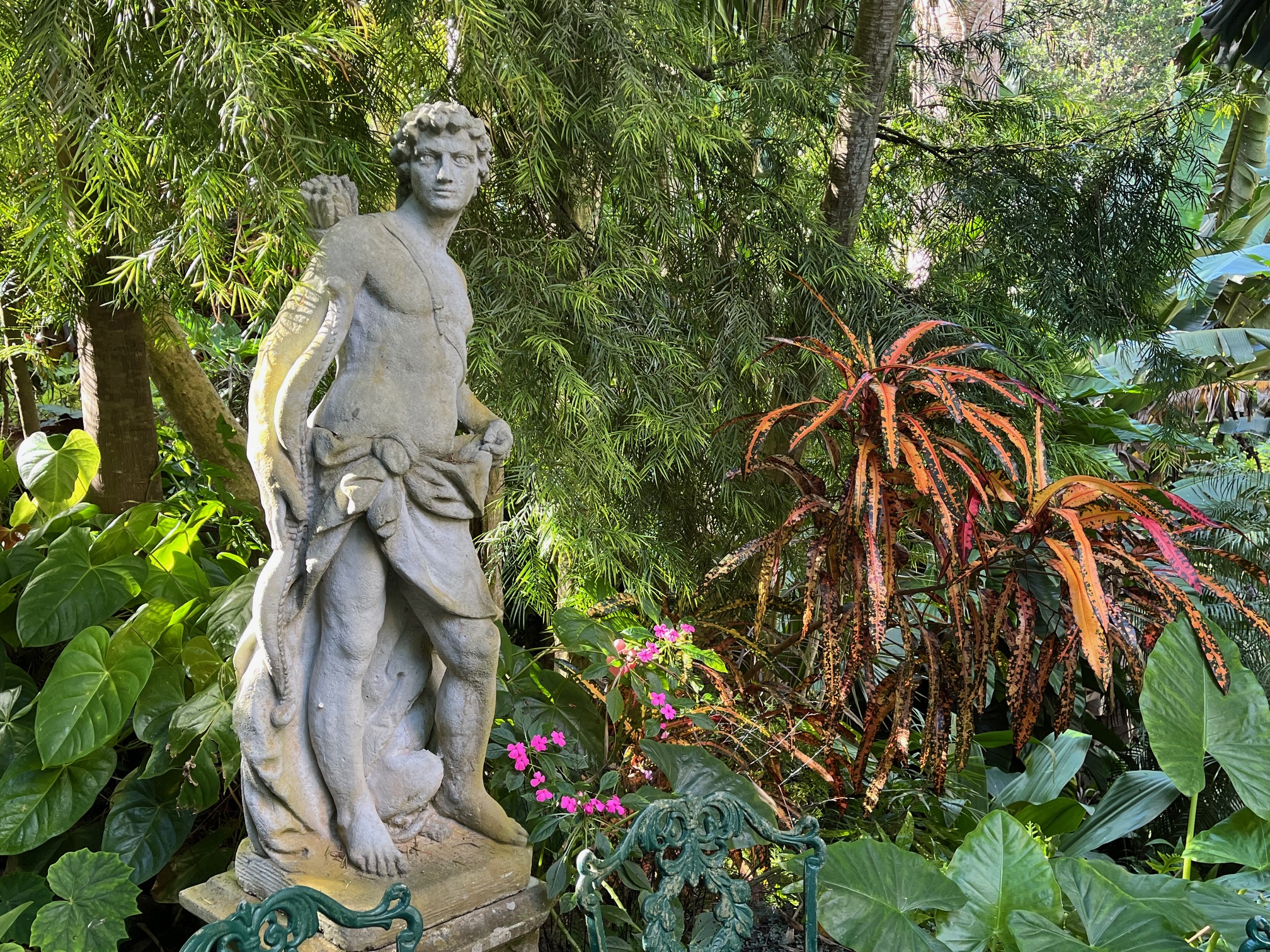

Driving through the Bajan countryside is a visual feast. Although the island is mostly flat, the northern end is rolling, rural, and vibrant with lush tropical foliage. Barbados is known for its beautiful golden beaches, although some of the east coast beaches can be rough.
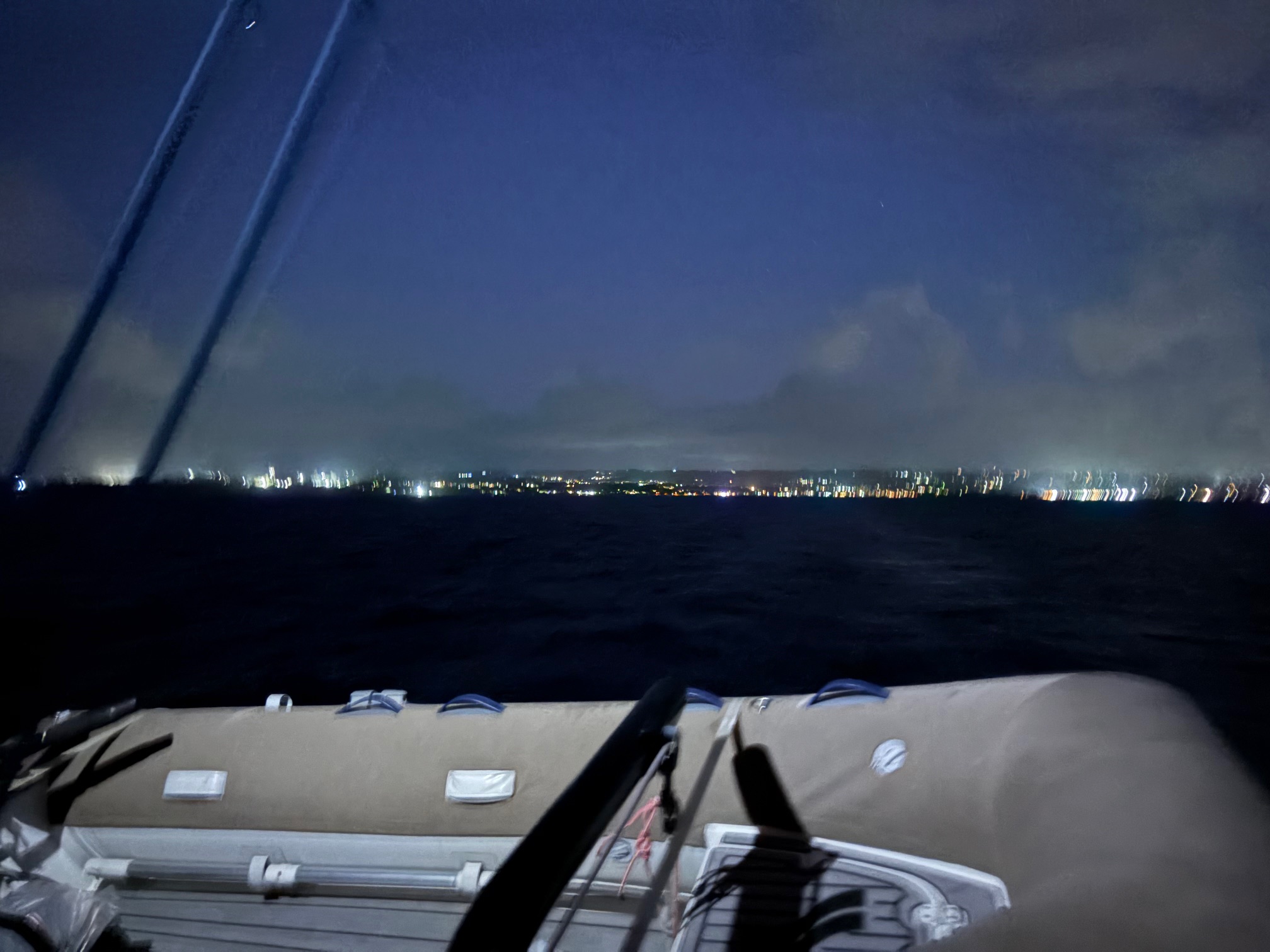
We left Barbados late evening wishing we had a few more days. See you again Barbados. Now off to Martinique.
 Sailing Jajabor