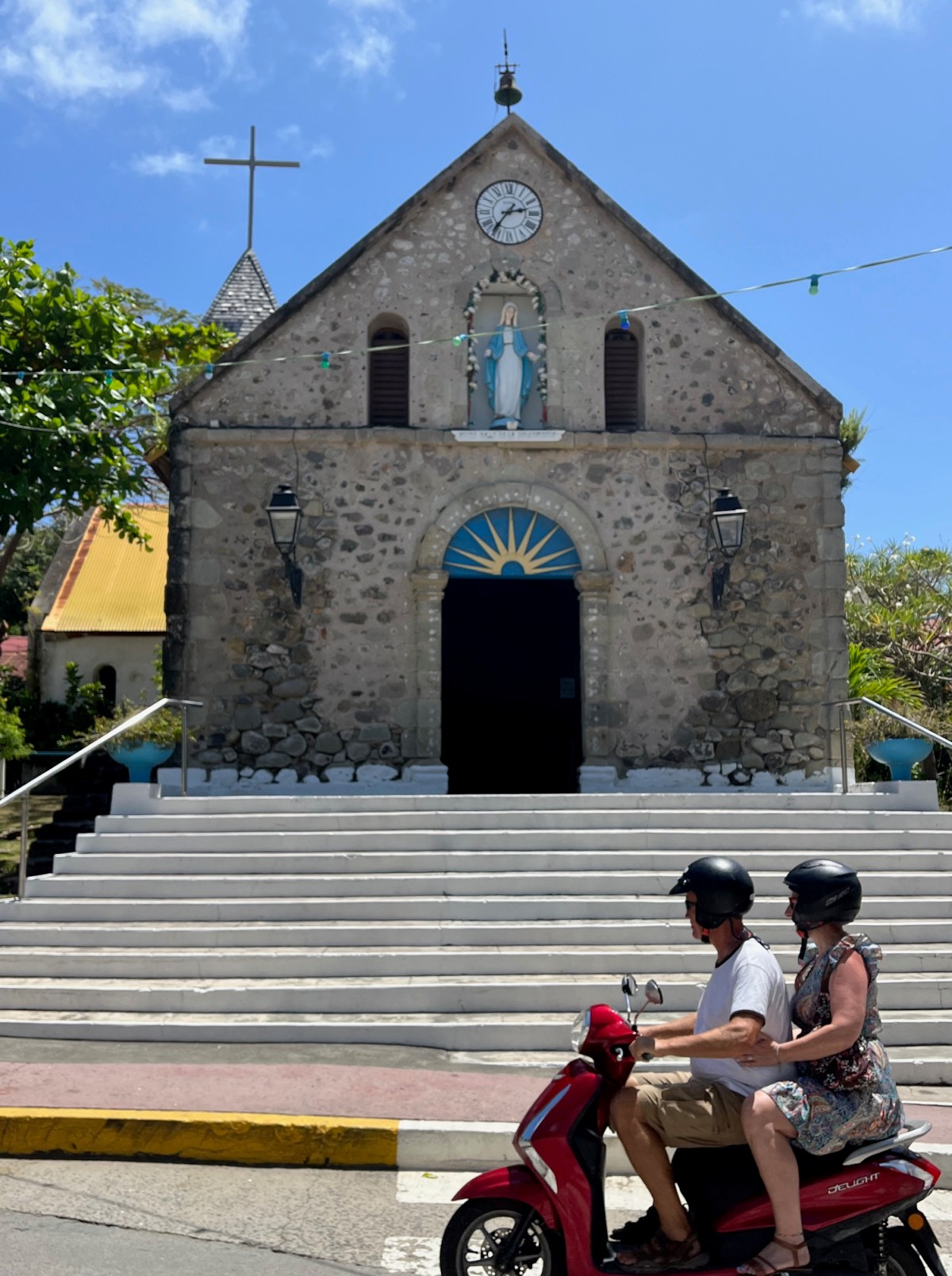
We sailed from Portsmouth Harbor in Dominica to Les Saintes, Guadeloupe. The journey was brief and uneventful, offering a peaceful stretch of sea. Les Saintes, or Îles des Saintes, is a small archipelago located off the southern coast of Guadeloupe, part of the French West Indies. The archipelago consists of nine islands, but only two, Terre-de-Haut and Terre-de-Bas, are inhabited. Goats wander freely on the other islands undeterred by tourists
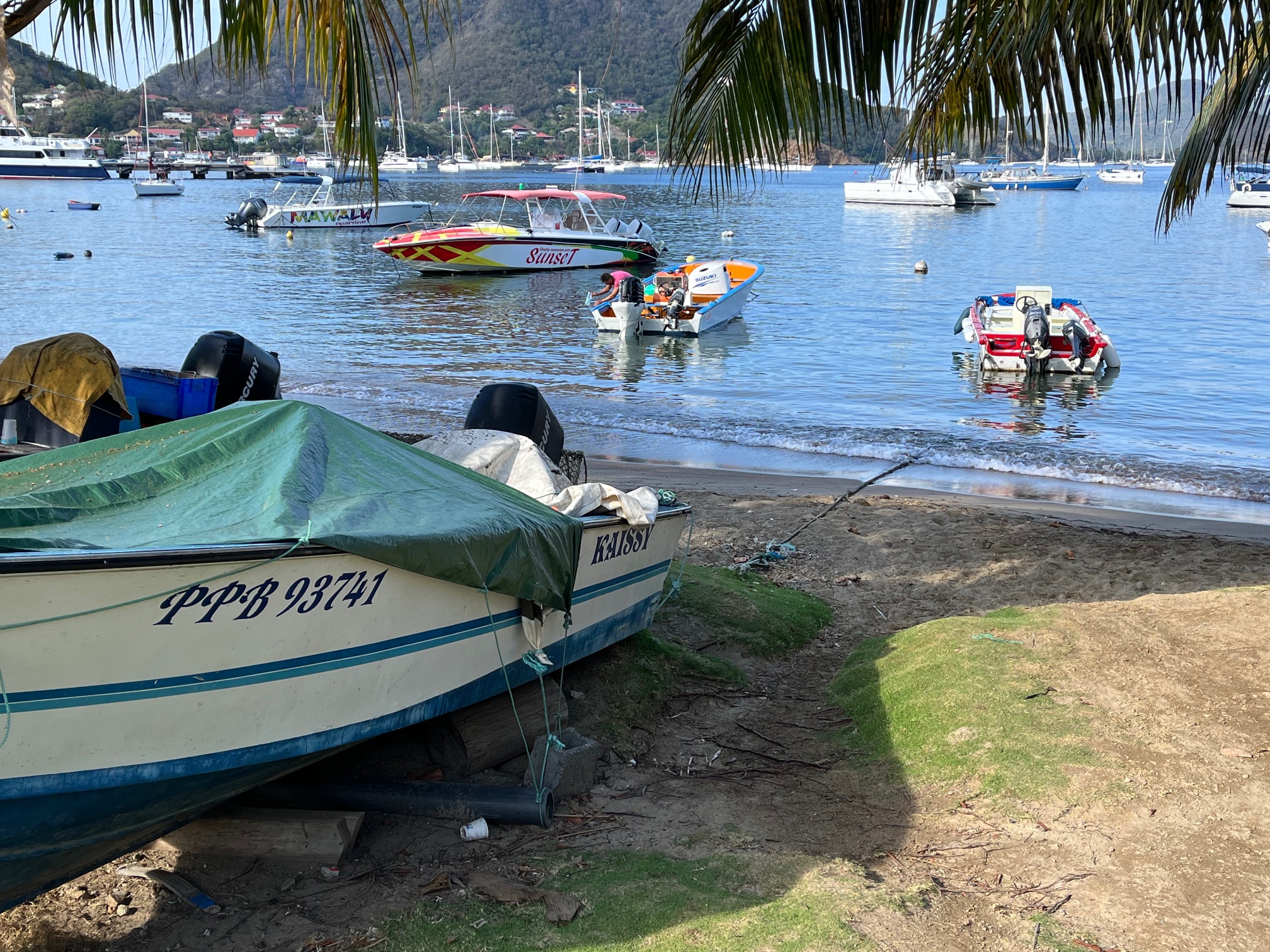
Our destination was Terre-de-Haut, the larger of the two islands. As we neared land, we remained cautious, scanning the waters for fishing buoys— A few days before our arrival, some friends had managed to run into some, rendering their propellers useless as the fishing lines wrapped around their shafts. So, naturally, we were on high alert, dodging invisible buoys like we were in some kind of maritime obstacle course. We arrived safely anchored in the bay, a short distance from the town dock. Les Saintes is a popular spot for yachts, and the bay was dotted with boats both anchored and moored.
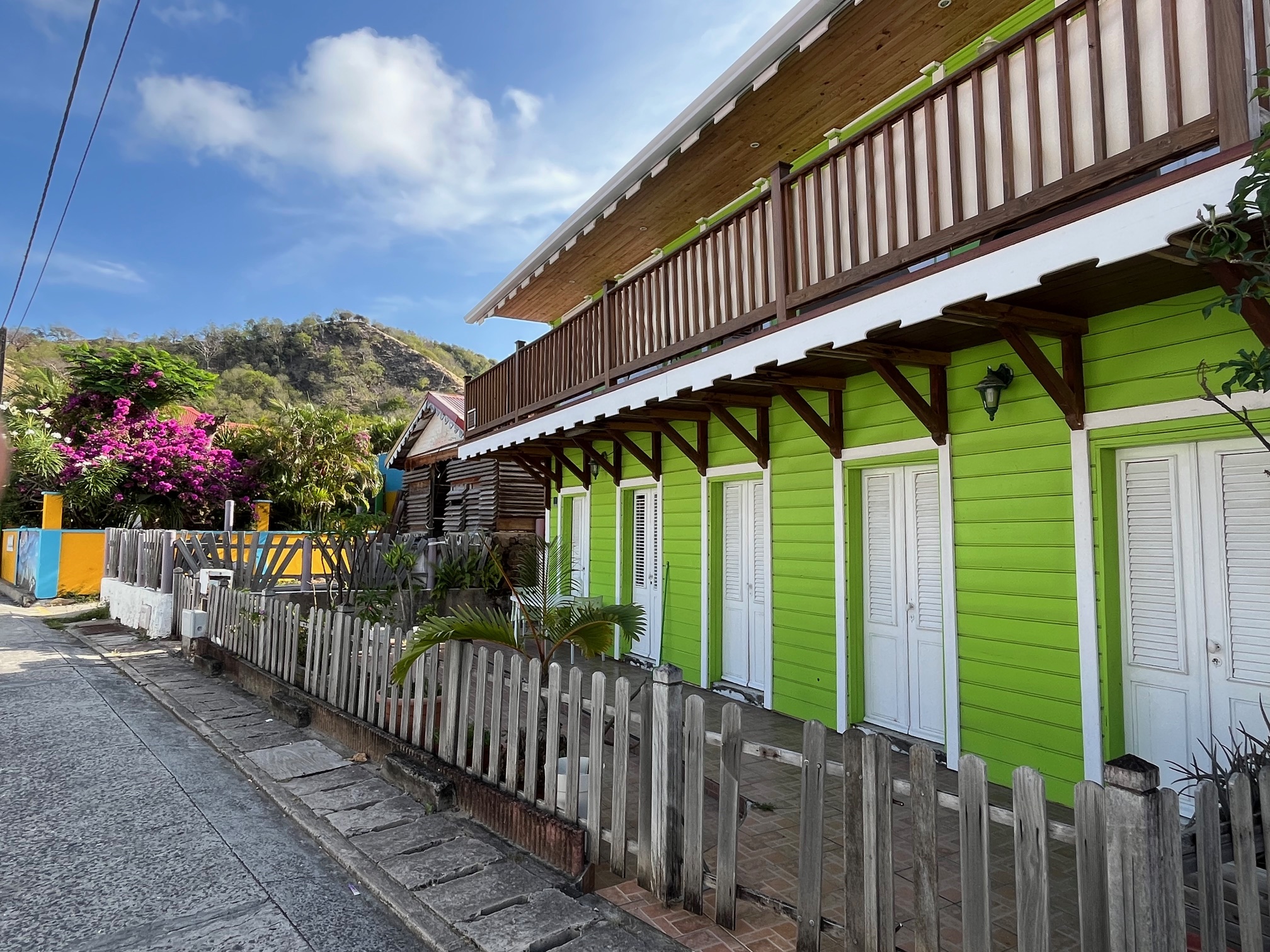
After securing Jajabor, we took the dinghy into town and tied up at the dock. When I think of the Caribbean, the image that comes to my mind is of palm-fringed beaches, secluded coves, crystal-clear waters, and colorful cottages with porches facing the sea. Les Saintes nearly matches this vision, with its pastel-painted homes lining narrow streets, each offering a glimpse of the island’s charm.
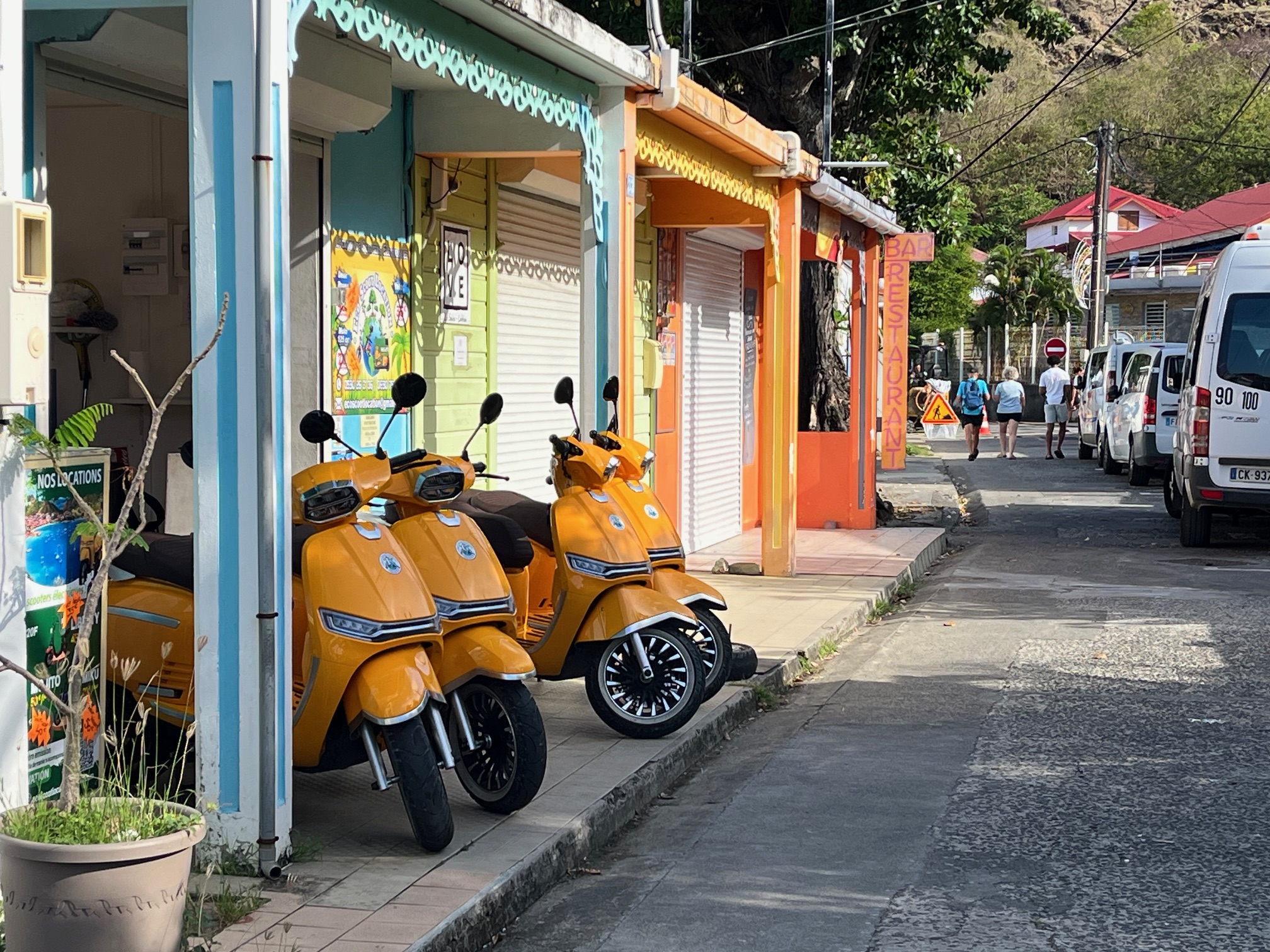
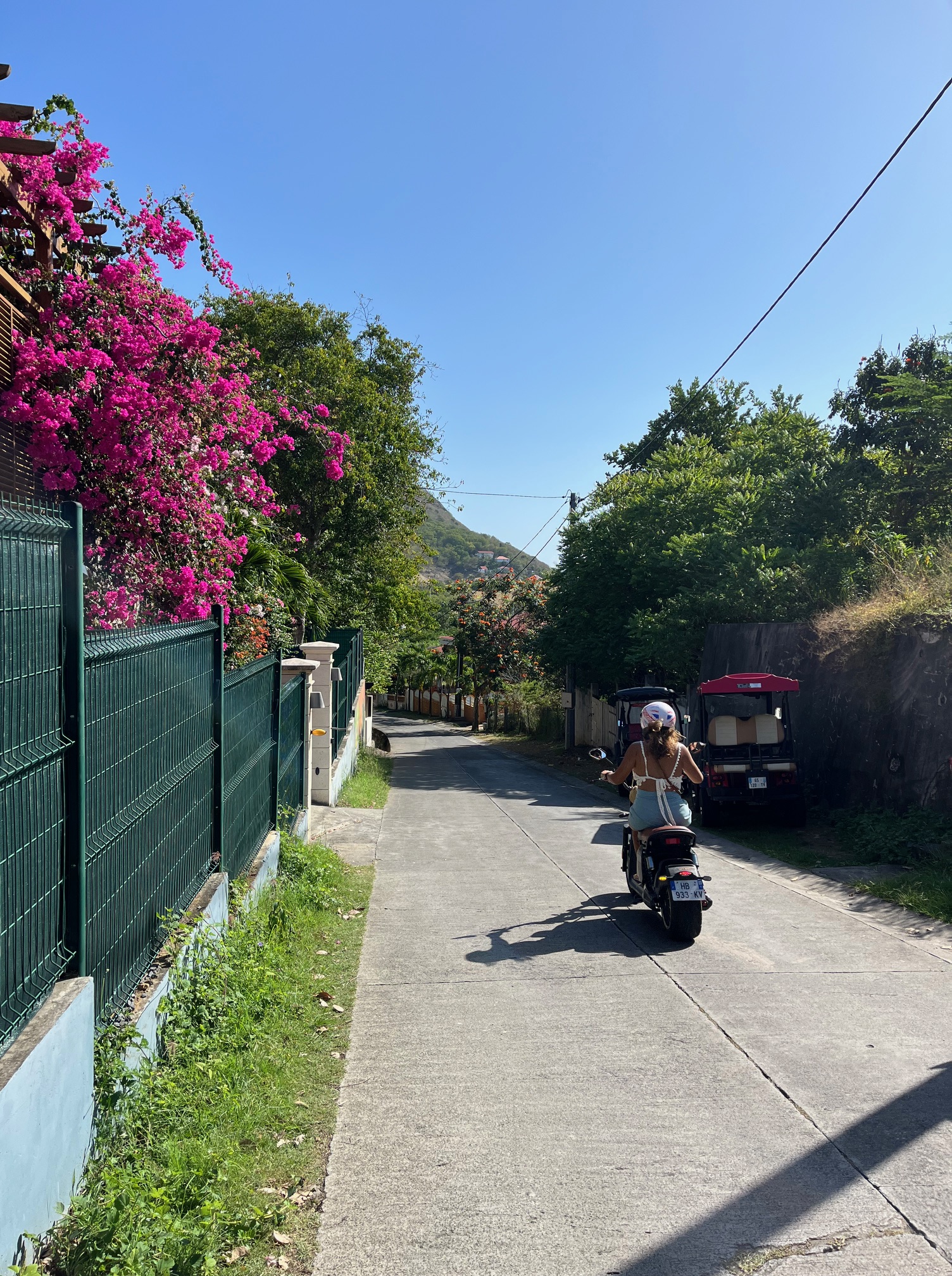
I had heard that the island didn’t allow cars, which was technically true—if you don’t count the vans, trucks, and various other motorized contradictions we saw driving by. Every so often, the population (and traffic) would suddenly multiply when cruise ships and ferries unloaded their human cargo onto the shore. The once quiet streets quickly filled with tourists buzzing around on scooters and golf carts.


Fort Napoleon
After a proper breakfast of croissants and coffee—because when in France, even island life demands pastry—we set off up the hill toward Fort Napoléon. We chose to walk rather than surrender to scooters, golf carts, or whatever other creative transportation options were on offer. Living full-time on a boat means exercise opportunities are rare and usually involve hauling heavy things, so we happily took advantage of this one.
“Happily” might be a strong word. The fort sits on a lofty perch overlooking the bay, and the walk up was less of a stroll and more of a reminder that boat life does not automatically equal fitness. Still, the views at the top made every labored step worthwhile.

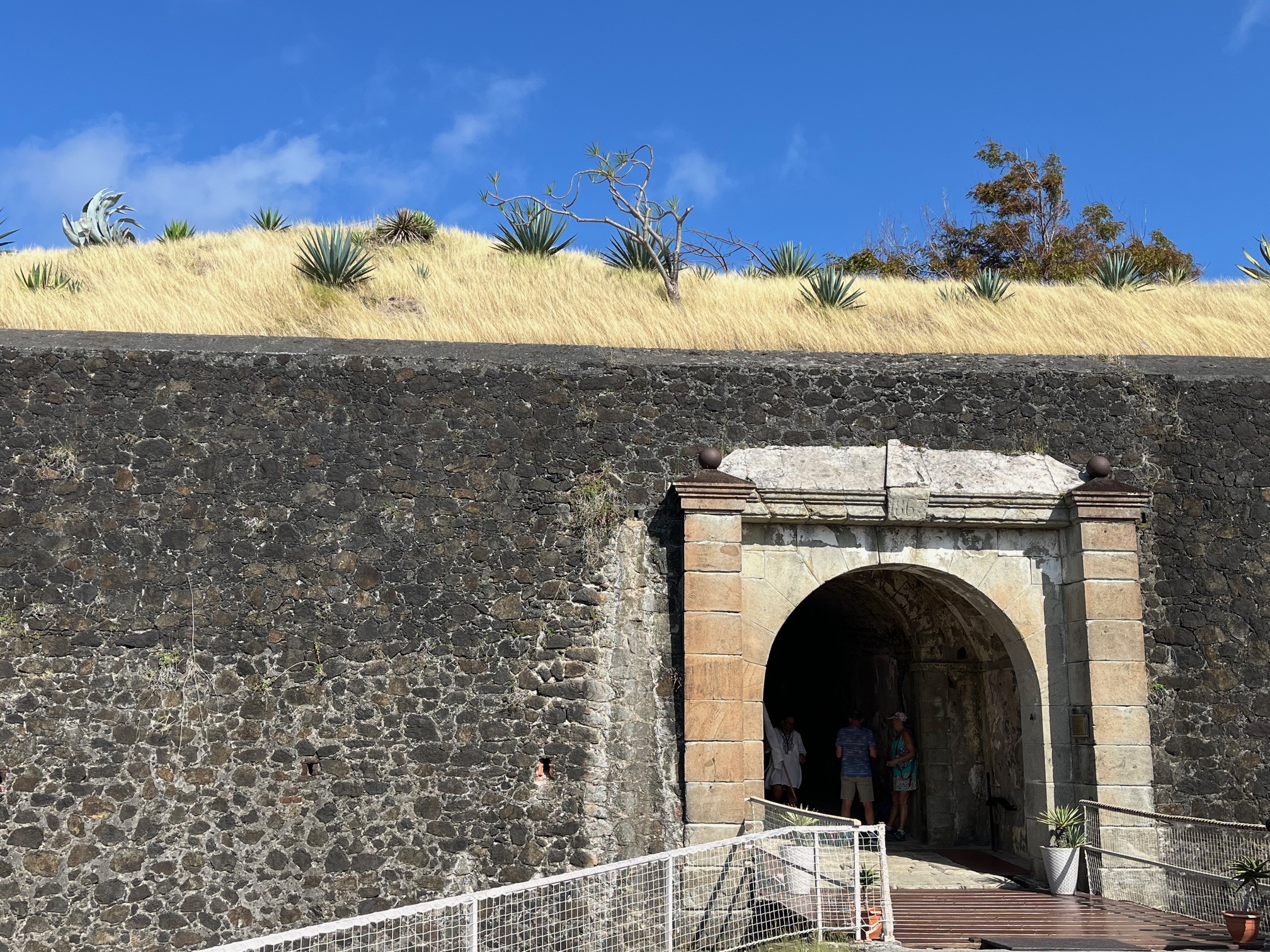
The ramparts of Fort Napoleon (above and below) have been beautifully restored
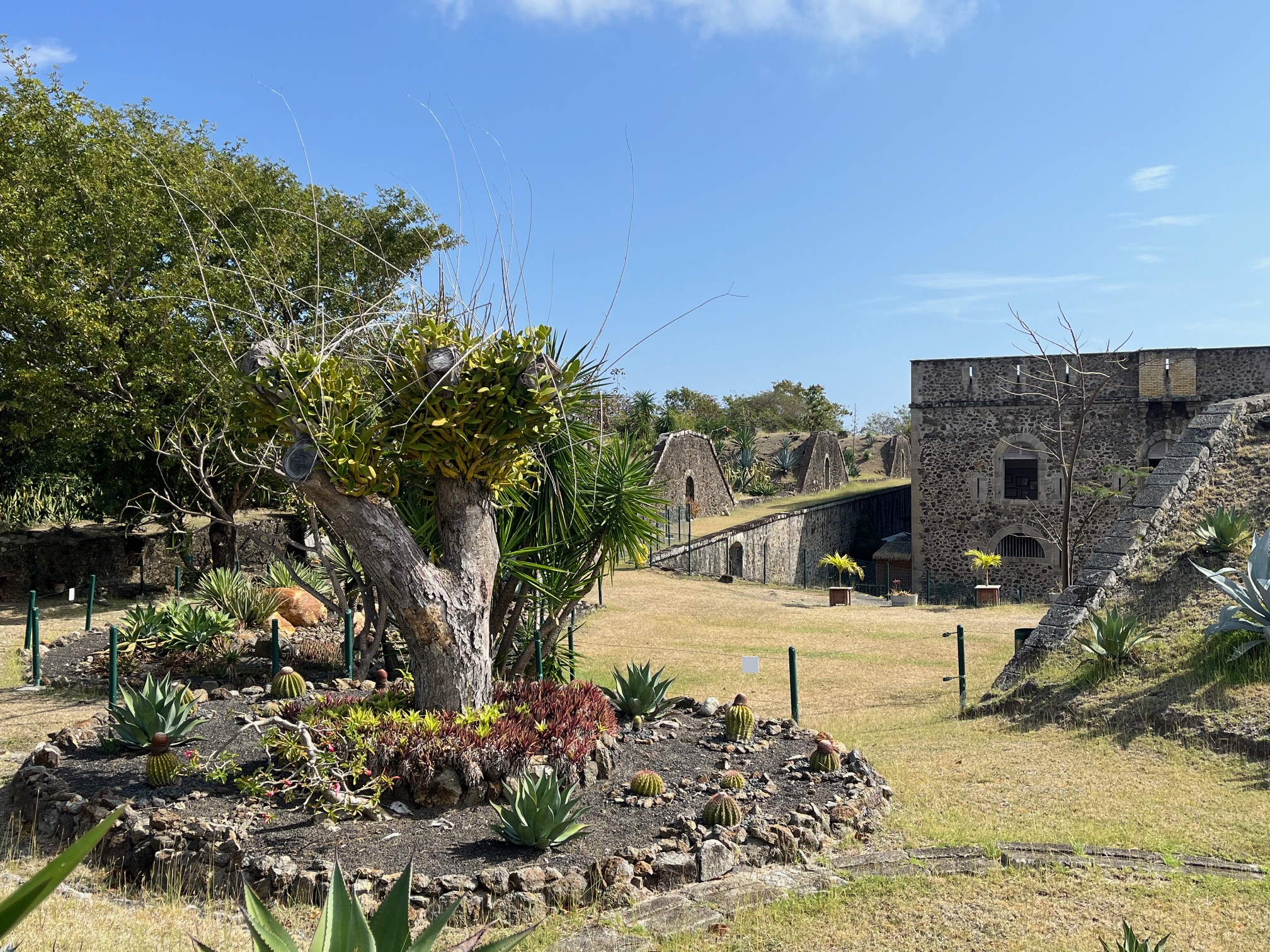
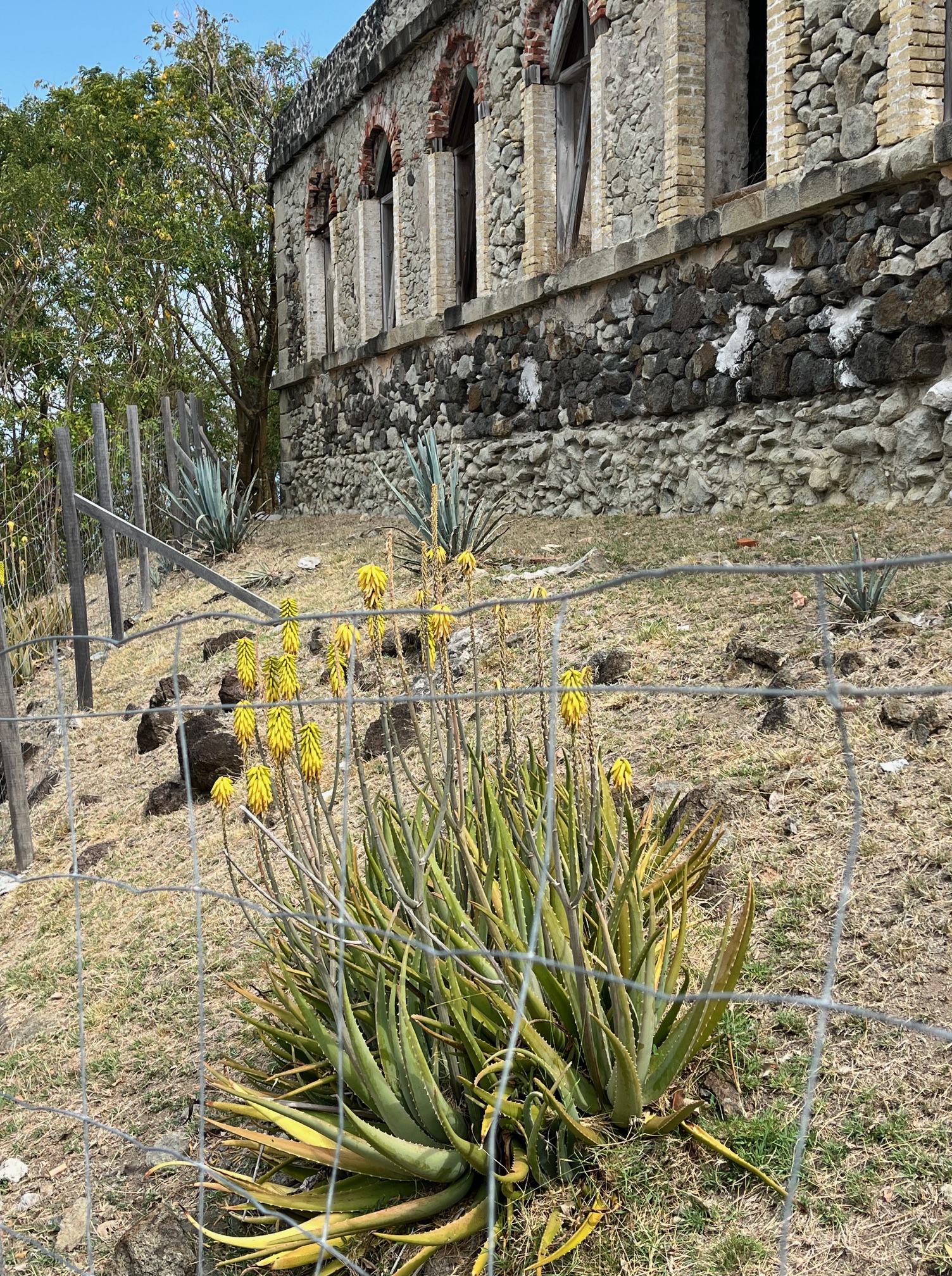
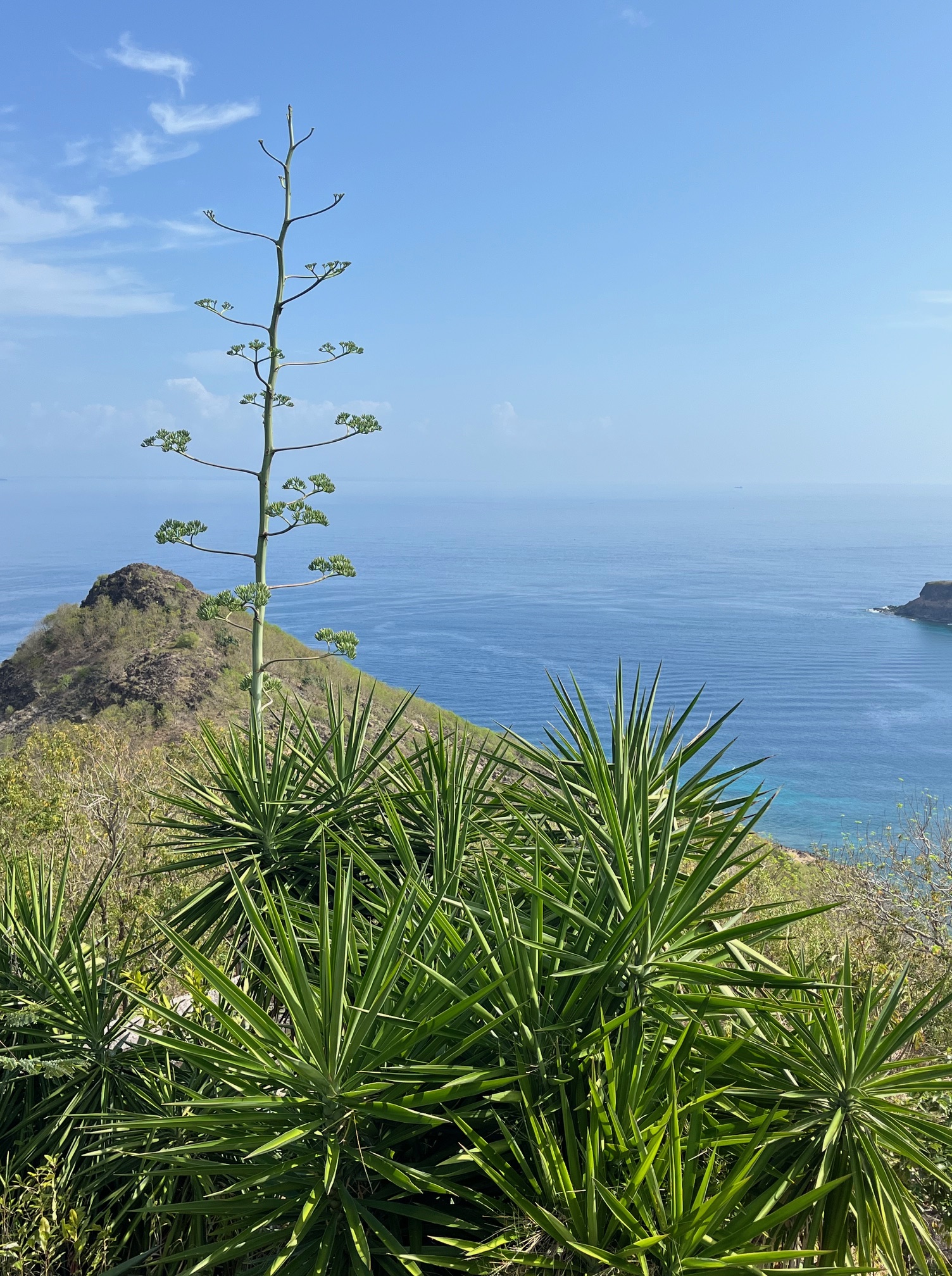
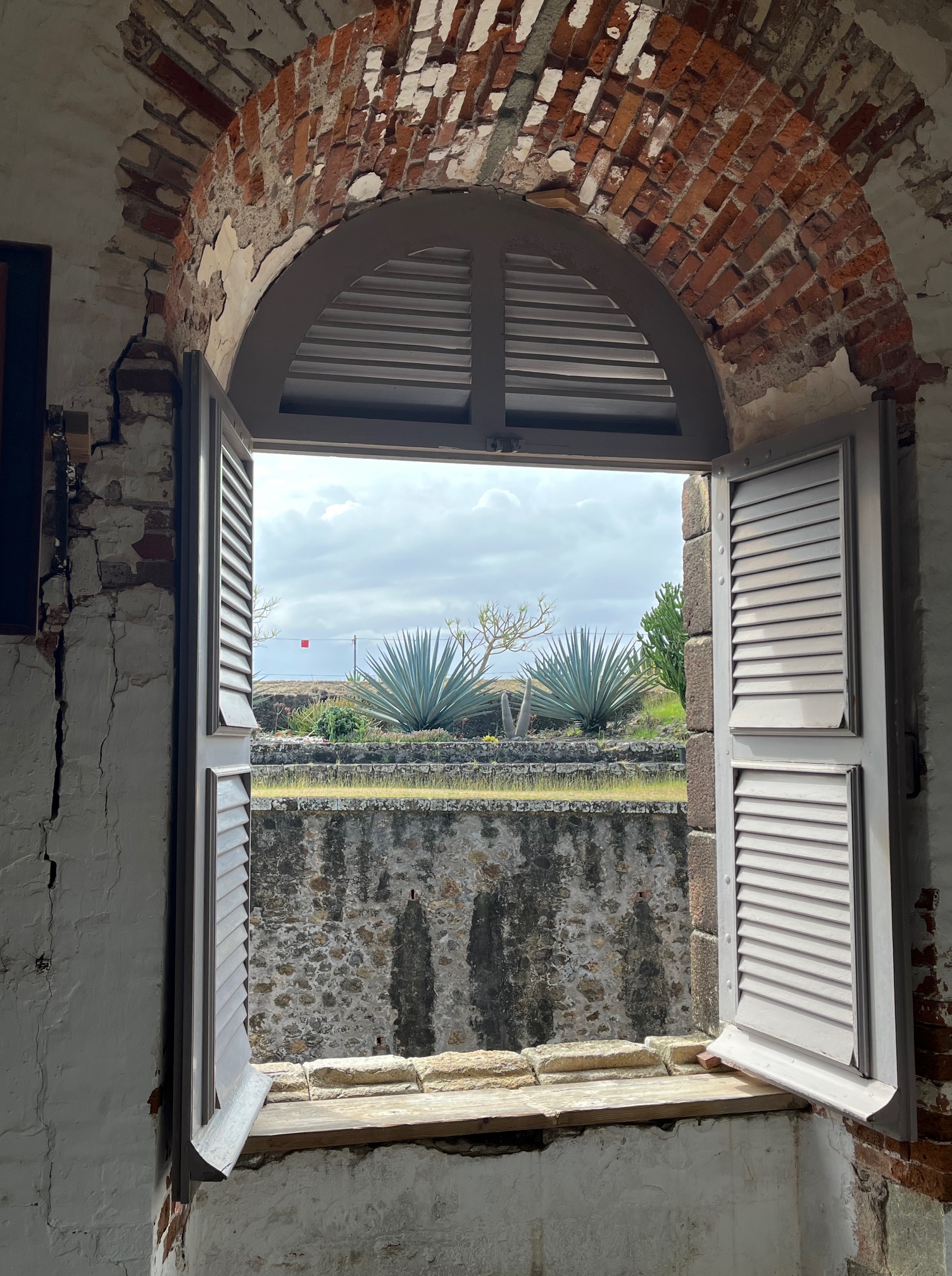
This well-restored fort was built in the early 19th century to protect the French from invaders. Today, the fort houses a museum filled with local historical and cultural artifacts that trace the history of both the island’s French settlers and its native people. You can stroll along the ramparts and stop at several overlooks with spectacular views of the bay.

La Plage de Pompierre (Pompierre Beach)
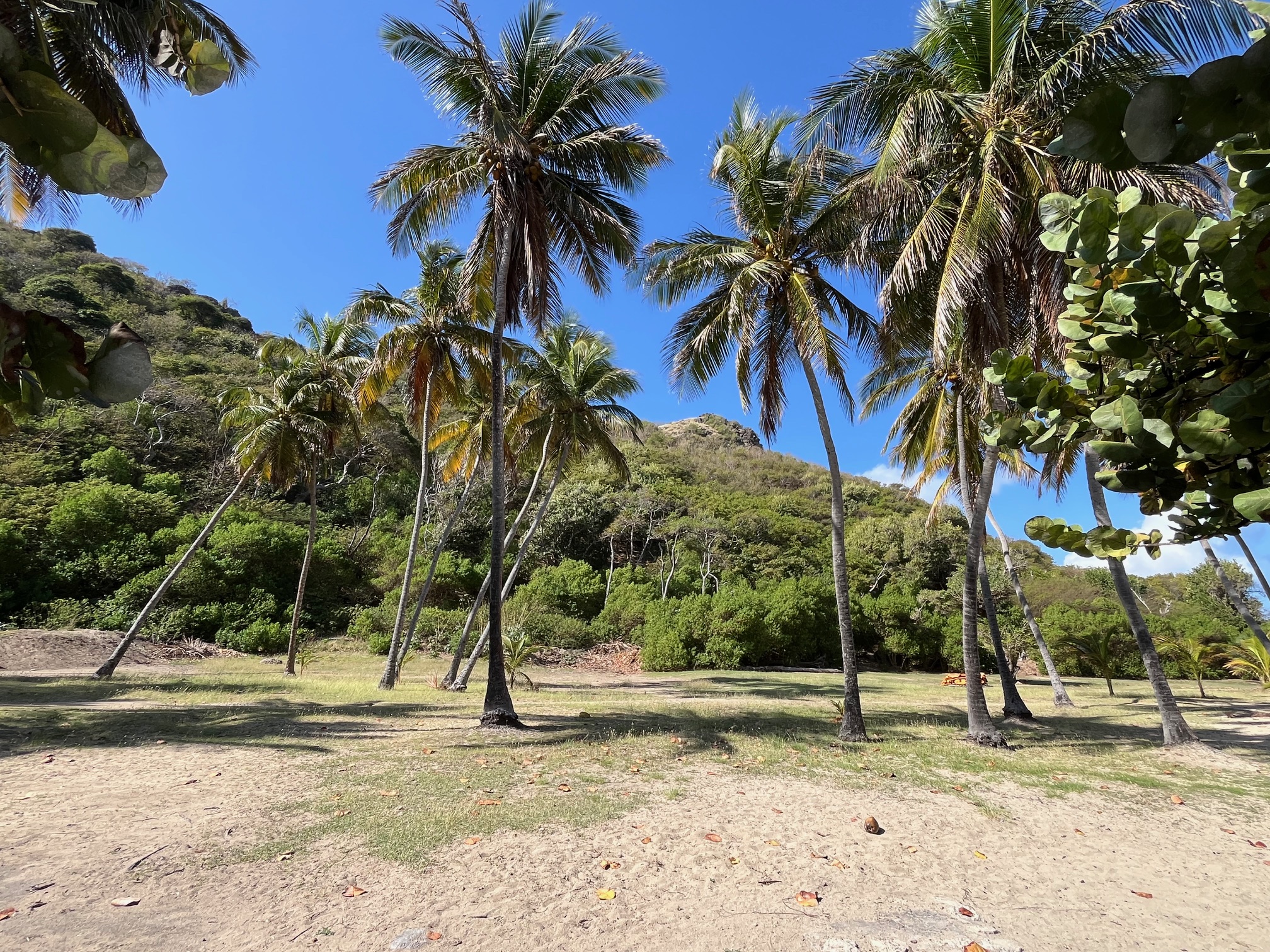
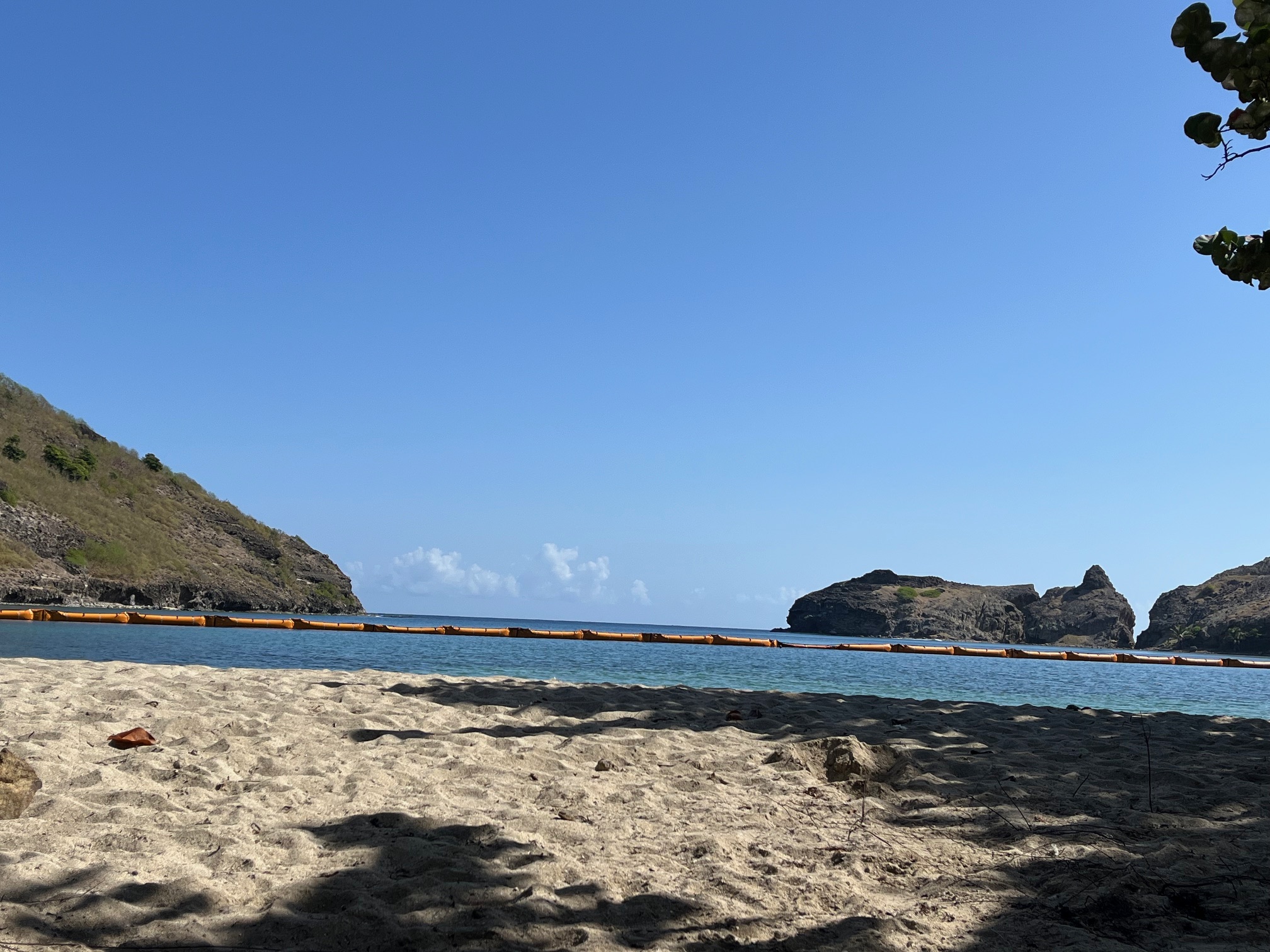
The next day another long walk over and above a steep hill took us to this beautiful and secluded beach on the island’s north-east coast. We spent a lovely afternoon snorkeling in the shallow waters that was well protected by a sargassum mitigating barrier.

Îlet à Cabrit (Goat Island)
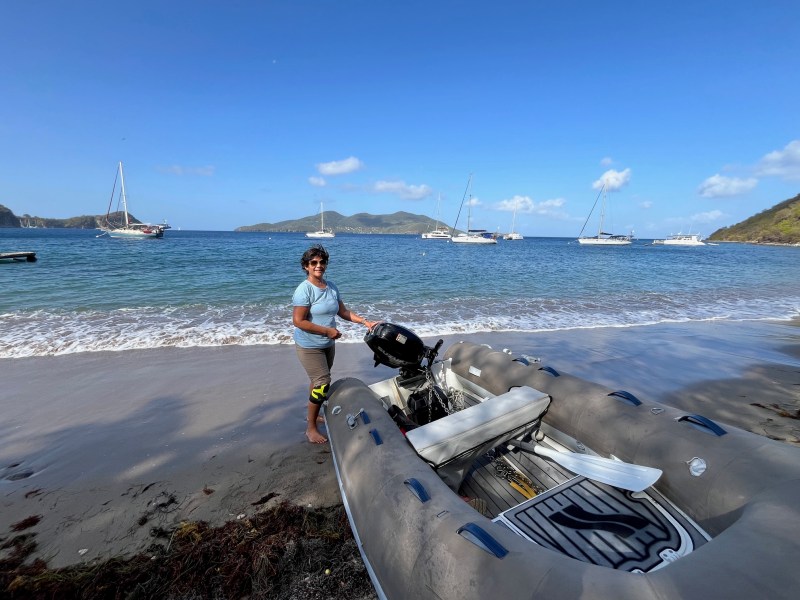
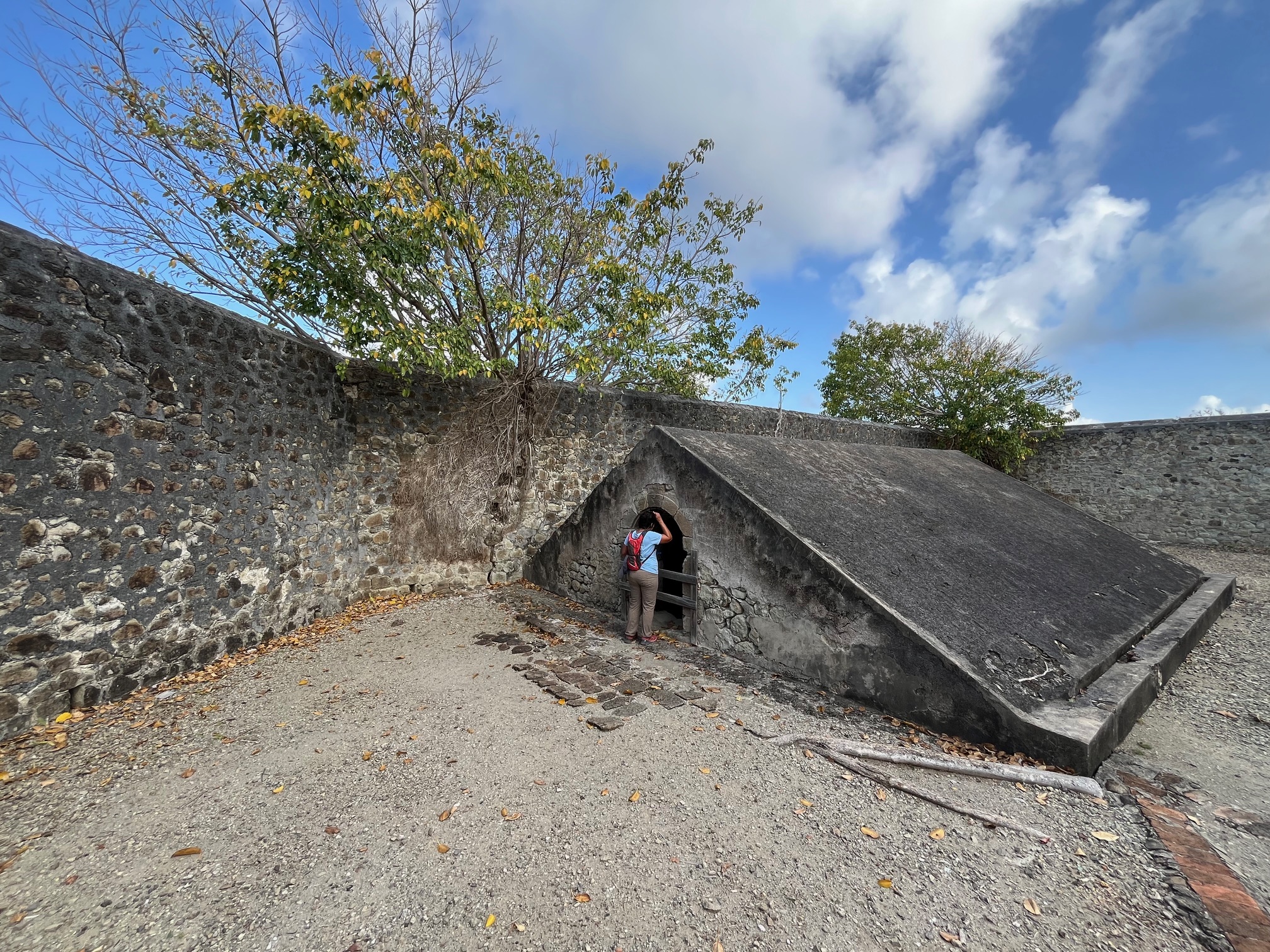
Across the bay from Terre de Haut lies Îlet à Cabrit, home to an impressive population of goats who roam freely, blissfully unaware that in most parts of the world they might be considered dinner. We dinghied across the bay and beached ourselves in a quiet cove that also served as the trailhead to Fort Joséphine. This fort was built in 1777 at the island’s highest point. In the mid-19th century it was converted into a penitentiary, and later it became a quarantine station for Indian and Chinese workers, brought in to replace enslaved labor. While the circumstances were grim, at least the prisoners and workers were treated to stunning views.

Ruins of Fort Josephine


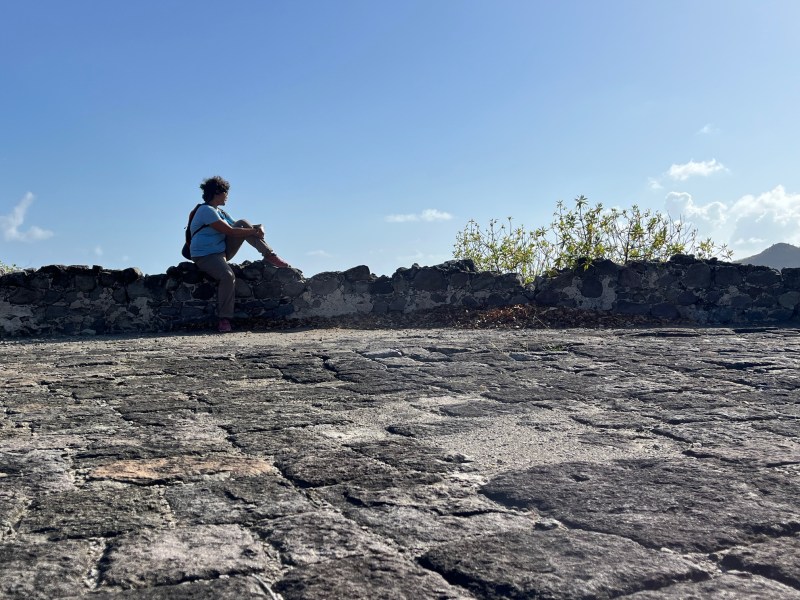
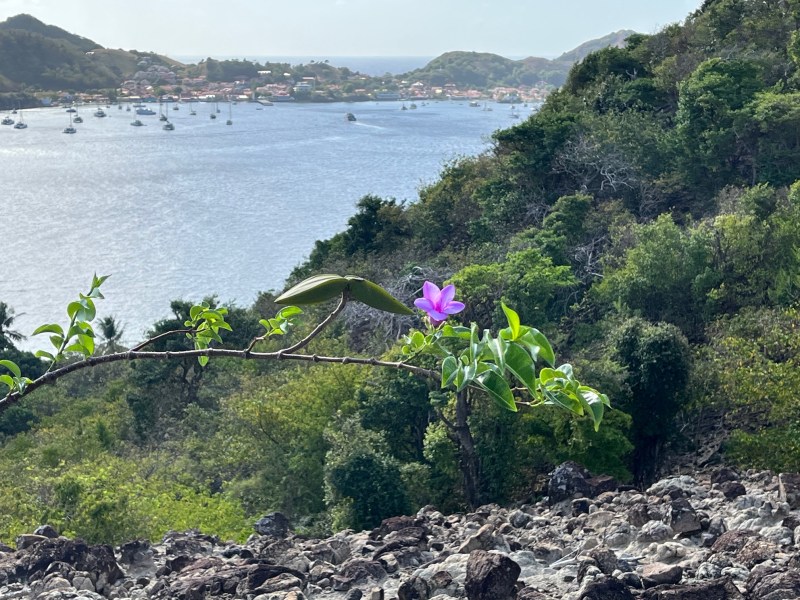
We continued hiking along the ridge to the west side, passing the crumbling remains of what looked like a deserted resort. Sure enough, in the early 1960s someone attempted to build a hotel here but construction was abandoned. We walked through some of the cottages now filled with debris.
On the way back down to the beach, we encountered the island’s resident goats, who eyed us suspiciously before scattering just as we tried to take photos—clearly well practiced in avoiding paparazzi. Over the entire morning, we saw exactly one other visitor. This quiet, overlooked island is a true treasure, offering unmatched views from the hilltops and a refreshing sense that you’ve stumbled onto a secret—shared mostly with goats.
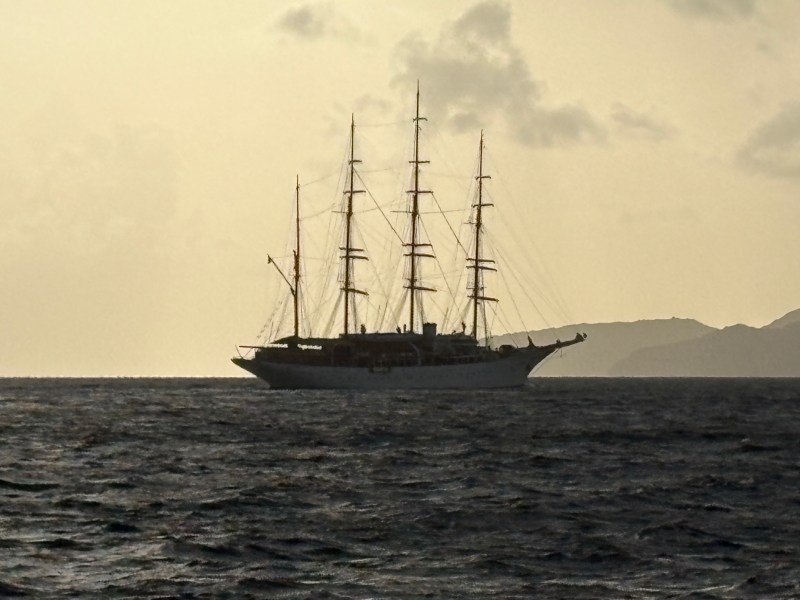
As we left Les Saintes and headed for mainland Guadeloupe, we saw this beautiful ship on its way to Terre-de-Haut.
 Sailing Jajabor
You must be logged in to post a comment.